1. Understanding Reishi – What It Is and How It Works
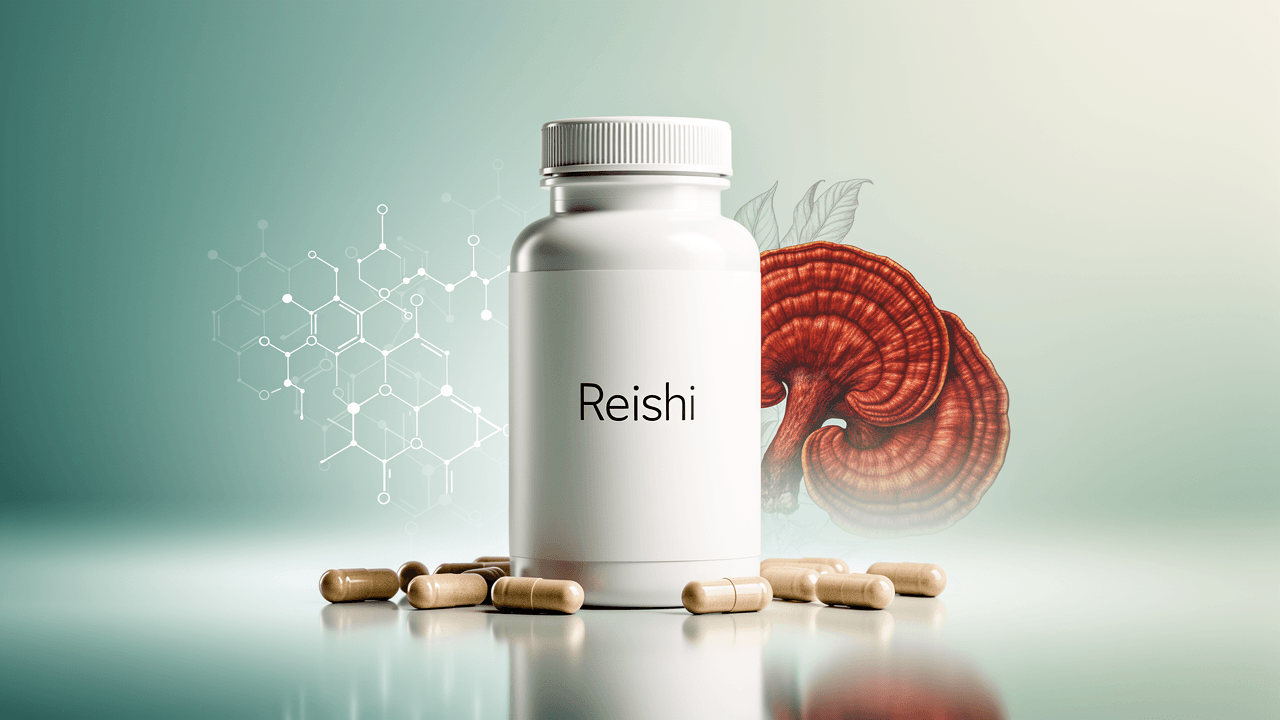
Reishi (Ganoderma lucidum, also G. lingzhi) is a medicinal mushroom long used in Traditional Chinese Medicine (TCM) as a "shen" (spirit) tonic for vitality, longevity, and calmness. It is not a classic stimulant-type nootropic, but rather a foundational adaptogenic and immune-modulating supplement that may indirectly support cognition through improved sleep, reduced stress, and better metabolic health.
1.1 What Reishi Contains
Reishi’s effects come from several bioactive compounds:
- Polysaccharides (especially β-glucans) – key immune-modulating components
- Triterpenoids (ganoderic acids, lucidenic acids) – contribute to anti-inflammatory, hepatoprotective, and possibly anti-tumor effects
- Sterols and peptides – additional metabolic and signaling effects
- Phenolic compounds and antioxidants – contribute to oxidative stress reduction
Different extracts emphasize different fractions:
- Hot water extracts → richer in polysaccharides
- Alcohol or dual extracts → higher in triterpenoids
1.2 How Reishi Works in the Body
Reishi is best described as an adaptogen and immunomodulator rather than a direct cognitive enhancer.
Key mechanisms include:
Immune modulation
- β-glucans can bind to pattern-recognition receptors (e.g., Dectin-1, CR3) on immune cells (macrophages, NK cells, dendritic cells), modulating cytokine production and immune activity.
- Both immune-enhancing and immune-balancing effects have been observed, depending on baseline immune status.
Anti-inflammatory and antioxidant effects
- Triterpenoids and polysaccharides downregulate pro-inflammatory mediators (e.g., TNF-α, IL-6, COX-2, NF-κB activity) in cell and animal studies.
- Reishi extracts increase antioxidant enzymes (SOD, catalase, glutathione peroxidase) and reduce markers of oxidative stress in animal and some human studies.
Stress and HPA-axis modulation
- Animal data suggest reishi can modulate the hypothalamic–pituitary–adrenal (HPA) axis, reducing elevations in corticosterone in stress models.
- Clinically, this may translate to reduced fatigue and improved subjective well-being, though high-quality human data are limited.
Metabolic and cardiovascular effects
- In animal and some human trials, reishi has been associated with improved lipid profiles, mild blood pressure reduction, and better glycemic control, possibly via effects on insulin signaling, AMPK activation, and reduced oxidative stress.
Neuroprotective and potential nootropic support
- Animal and cell studies show neuroprotective effects: reduced neuroinflammation, inhibition of microglial overactivation, and protection against β-amyloid and excitotoxic damage.
- Human data for direct cognitive enhancement are sparse; benefits are more indirect (better sleep, reduced fatigue, mood support).
2. Key Benefits of Reishi
2.1 Immune Support and Modulation
Reishi is widely used for supporting immune function, especially in people under stress or with chronic illness. Rather than simply “boosting” immunity, it tends to modulate immune responses:
- May increase activity of natural killer (NK) cells and T cells in some contexts
- May help normalize overactive immune responses by reducing inflammatory cytokines
The clinical evidence is strongest in the context of adjunctive use in cancer care, though results are mixed and it should not be viewed as a stand-alone treatment.
2.2 Fatigue, Sleep, and Quality of Life
Reishi is traditionally used as a calming, restorative tonic. Modern research suggests it may:
- Reduce fatigue and improve subjective well-being in chronic fatigue and neurasthenia
- Improve sleep quality and reduce sleep onset latency in some studies
- Support mood and reduce irritability in people with stress-related symptoms
These effects are modest but can be meaningful over weeks of consistent use.
2.3 Metabolic and Cardiovascular Support
Several trials and meta-analyses suggest that reishi may have mild beneficial effects on:
- Blood glucose (fasting glucose and HbA1c) in type 2 diabetes
- Lipid profile (total cholesterol, LDL, and possibly triglycerides)
- Blood pressure in people with mild hypertension
These effects are not large enough to replace conventional treatment but may complement diet, exercise, and medication under medical supervision.
2.4 Potential Anti-Cancer Adjunct
Reishi is often promoted for anti-cancer effects. The evidence is preliminary and supportive but not definitive:
- In vitro and animal studies show anti-proliferative, pro-apoptotic, and anti-angiogenic effects.
- Human studies suggest improvements in immune parameters and quality of life in cancer patients, with some hints of improved response to conventional therapy.
Reishi should be considered an adjunct, not a cure, and always used under oncologist guidance.
3. Research Findings on Reishi
Below are selected human studies illustrating what we know—and don’t know—about reishi.
3.1 Reishi and Fatigue / Neurasthenia
Study 1: Neurasthenia (fatigue, irritability, poor sleep)
- Design: Randomized, double-blind, placebo-controlled trial
- Participants: 132 patients with neurasthenia
- Intervention: Ganoderma lucidum extract (polysaccharide-rich), 1,800 mg/day (3 doses) vs placebo
- Duration: 8 weeks
- Findings: The reishi group showed significant improvement in fatigue, irritability, and well-being scores versus placebo, with benefits emerging around week 4–8.
- Limitations: Single study, specific diagnostic category; unclear generalizability to healthy individuals.
3.2 Reishi and Sleep Quality
Human data on sleep are relatively limited but supportive:
- Small open-label studies and sub-analyses from fatigue/neurasthenia trials report improved sleep quality and reduced sleep latency after 4–8 weeks of reishi supplementation (typically 1,500–3,000 mg/day of extract).
- No large, high-quality RCTs solely on insomnia are yet available, so the evidence is suggestive rather than conclusive.
3.3 Reishi and Immune Function in Cancer Patients
Study 2: Advanced cancer (mixed types)
- Design: Randomized, double-blind, placebo-controlled trial
- Participants: 68 patients with advanced cancers receiving standard care
- Intervention: Ganopoly® (a standardized Ganoderma lucidum polysaccharide extract), 5,400 mg/day vs placebo
- Duration: 12 weeks
- Findings:
- Increased CD3, CD4, and CD8 T-cell counts and NK cell activity in the reishi group.
- Some patients showed improved appetite and sense of well-being.
- No significant tumor shrinkage attributable solely to reishi.
- Limitations: Small sample size, heterogeneous cancers, short duration.
Study 3: Colorectal adenomas (pre-cancerous lesions)
- Design: Randomized, double-blind, placebo-controlled trial
- Participants: 96 patients with colorectal adenomas
- Intervention: Ganoderma lucidum extract, 1,500 mg/day vs placebo
- Duration: 12 months
- Findings:
- Reduced number and total size of adenomas in the reishi group compared to placebo.
- Improved markers of oxidative stress and immune function.
- Limitations: Specific to high-risk adenoma population; results need replication.
3.4 Reishi and Blood Glucose Control
Study 4: Type 2 Diabetes
- Design: Randomized, double-blind, placebo-controlled trial
- Participants: 71 adults with type 2 diabetes
- Intervention: Ganoderma lucidum extract (polysaccharide-rich), 1,800 mg/day vs placebo
- Duration: 12 weeks
- Findings:
- Modest reductions in HbA1c and fasting plasma glucose in the reishi group compared with placebo.
- Some improvements in insulin resistance indices.
- Limitations: Modest effect size, relatively small sample, not a replacement for standard diabetes care.
Other small trials and meta-analyses show similar small to moderate improvements in glycemic control and lipid profile, particularly when used as an adjunct to standard therapy.
3.5 Reishi and Lipids / Blood Pressure
Study 5: Hypertension and dyslipidemia
- Design: Randomized, double-blind, placebo-controlled
- Participants: ~90 adults with mild hypertension and elevated cholesterol
- Intervention: Ganoderma lucidum extract, 1,500–3,000 mg/day vs placebo
- Duration: 12 weeks
- Findings:
- Small reductions in systolic blood pressure (≈5–8 mmHg) and LDL cholesterol.
- No major changes in HDL or triglycerides.
- Limitations: Modest effects, variability between formulations, and not all studies show significant changes.
3.6 Cognitive Function and Neuroprotection
Human evidence for direct cognitive enhancement is limited:
- Some trials in older adults and people with chronic illness report improved subjective mental clarity and reduced brain fog, but these outcomes are often secondary and not rigorously measured.
- Animal models of Alzheimer’s disease and ischemic brain injury show that reishi extracts can reduce neuroinflammation, protect neurons, and improve learning and memory performance, likely via antioxidant and anti-inflammatory pathways.
At present, any nootropic effect in humans is likely indirect, via better sleep, mood, and metabolic health rather than a strong acute cognitive boost.
4. Best Sources & Dosage
4.1 Forms of Reishi Supplements
Fruiting body extract
- Made from the mature mushroom (not mycelium).
- Typically hot water or dual-extracted (water + alcohol).
- Preferred for higher concentrations of β-glucans and triterpenoids.
Mycelium on grain
- Grown on rice or other grains; may contain more starch and less active compound per gram.
- Quality varies; often less standardized.
Standardized extracts
- Labeled with β-glucan % and sometimes triterpenoid % (e.g., “30% polysaccharides, 2% triterpenes”).
- Allow more predictable dosing.
Whole mushroom powder
- Ground, dried reishi; less concentrated, larger doses needed.
- May be used in teas or capsules.
Tinctures (alcohol, dual-extract liquids)
- Convenient for titrating smaller doses.
- Good source of triterpenoids; polysaccharide content may vary.
4.2 General Dosage Ranges
Doses vary by extract strength. Below are typical evidence-informed ranges for adults. Always start at the lower end and titrate.
4.2.1 General Health & Immune Support (Preventive)
Standardized extract (fruiting body):
- 500–1,000 mg once or twice daily (total 500–2,000 mg/day)
- Target products with ≥20–30% polysaccharides and clearly labeled β-glucan content.
Whole mushroom powder:
- 1–3 grams/day, often divided into 1–2 doses.
Timing: With food to minimize GI discomfort; morning or early afternoon for some, or evening if used for sleep support (individual response varies).
4.2.2 Fatigue, Stress, and Sleep Support
- Extract:
- 1,000–1,800 mg/day, divided into 1–2 doses.
- For sleep, many users take the larger portion in the evening.
Duration: 4–8 weeks to assess effects; may be continued longer if well-tolerated.
4.2.3 Metabolic Support (Blood Glucose, Lipids)
- Extract (as used in diabetes/hyperlipidemia trials):
- 1,500–3,000 mg/day, divided into 2–3 doses.
Important: For people with diabetes or on lipid-lowering or antihypertensive medications, this should only be done under medical supervision due to possible additive effects.
4.2.4 Adjunctive Use in Cancer Care
- Clinical trials often use higher doses, e.g.:
- Ganopoly®: ~5,400 mg/day (standardized polysaccharide extract)
- Other extracts: 3,000–5,000 mg/day
This must be coordinated with an oncologist and integrated into a broader treatment plan. Self-prescribing at high doses is not recommended.
4.3 Practical Tips for Use
- Start low, go slow: Begin with ~500 mg/day of extract and increase every 3–7 days as tolerated.
- Consistency matters: Benefits (especially for immune modulation and sleep) are more evident after several weeks.
- Check standardization: Look for β-glucan content, triterpenoid information, and third-party testing (e.g., for heavy metals, pesticides).
- Cycle or continuous? Many people use reishi continuously for months; others cycle (e.g., 5 days on, 2 days off, or 8–12 weeks on, 2–4 weeks off), especially at higher doses.
5. Safety, Side Effects, and Drug Interactions
5.1 General Safety Profile
Reishi is generally considered well-tolerated at typical supplemental doses (up to ~3 g/day of extract) for up to 6–12 months in clinical studies. However, it is not risk-free.
Commonly reported mild side effects:
- Gastrointestinal upset (nausea, loose stools, stomach discomfort)
- Dry mouth or throat
- Skin rash or itching (rare, usually allergic)
- Mild dizziness or headache in some individuals
These often improve with dose reduction or taking with food.
5.2 Liver and Kidney Concerns
- A small number of case reports associate long-term, high-dose reishi use (often powdered whole mushroom, >6 g/day for several months) with liver toxicity. Causality is not fully established, and contamination/adulteration cannot be ruled out.
- Rare reports of kidney issues exist, but data are limited.
Practical implications:
- People with pre-existing liver or kidney disease should use reishi only under medical supervision.
- Avoid extremely high doses and poorly characterized products.
- Consider periodic liver function tests (LFTs) if using high doses or long-term.
5.3 Bleeding Risk and Anticoagulants
Reishi has antiplatelet and mild anticoagulant properties in vitro and in animal studies. Human data are limited, but caution is warranted.
Potential interactions:
- Anticoagulants: warfarin, apixaban, rivaroxaban, dabigatran, heparin
- Antiplatelet drugs: aspirin, clopidogrel, prasugrel, ticagrelor
- Herbs/supplements with bleeding risk: ginkgo, garlic, high-dose fish oil, curcumin, etc.
Recommendations:
- Avoid high-dose reishi if you are on prescription blood thinners unless your clinician explicitly approves and monitors you.
- Stop reishi 1–2 weeks before surgery or invasive procedures to minimize bleeding risk.
5.4 Blood Glucose and Blood Pressure
Because reishi may lower blood glucose and blood pressure modestly:
- People on diabetes medications (insulin, metformin, sulfonylureas, GLP-1 agonists, SGLT2 inhibitors) should monitor for hypoglycemia and coordinate with their prescriber.
- Those on antihypertensives (ACE inhibitors, ARBs, beta-blockers, diuretics, calcium channel blockers) should watch for symptoms of low blood pressure (dizziness, lightheadedness).
5.5 Immunomodulation and Autoimmune Conditions
Reishi modulates immune function, which may be beneficial in some contexts but could be problematic in others.
Caution in:
- Autoimmune diseases (e.g., rheumatoid arthritis, lupus, multiple sclerosis, autoimmune thyroid disease)
- Organ transplant recipients or those on immunosuppressive therapy (e.g., corticosteroids, biologics, calcineurin inhibitors)
Theoretical risks include either exacerbating autoimmunity or interfering with immunosuppressive drugs. Data are limited, so professional guidance is important.
5.6 Allergies
- People with known mushroom allergies should avoid reishi.
- Stop use immediately if you develop rash, itching, swelling, or breathing difficulty and seek medical care.
5.7 Pregnancy and Breastfeeding
- Human data on reishi in pregnancy and lactation are insufficient.
- Due to its immunomodulatory and potential anticoagulant effects, most authorities recommend avoiding reishi during pregnancy and breastfeeding unless specifically advised by a clinician.
6. Who Should and Shouldn’t Use Reishi
6.1 Who May Benefit from Reishi
Reishi may be appropriate for adults who:
- Want general immune support during periods of stress or frequent mild infections (alongside sleep, nutrition, and hygiene).
- Experience mild to moderate fatigue and stress-related symptoms and want a non-stimulant adaptogenic option.
- Seek sleep support and a calming tonic rather than strong sedatives (ideally combined with sleep hygiene).
- Have metabolic risk factors (e.g., prediabetes, mild dyslipidemia, mild hypertension) and are already working on diet and exercise, with medical oversight.
- Are under oncology care and, with their oncologist’s approval, wish to use reishi as an adjunct to standard treatment for potential immune and quality-of-life support.
6.2 Who Should Use Reishi Only with Medical Supervision
- People with type 1 or type 2 diabetes on medication.
- Those with hypertension taking antihypertensives.
- Individuals with autoimmune diseases (RA, lupus, MS, autoimmune thyroiditis, etc.).
- People with liver or kidney disease.
- Individuals taking multiple medications, especially those affecting coagulation, immunity, or metabolism.
6.3 Who Should Generally Avoid Reishi (Unless Specialist-Approved)
- Pregnant or breastfeeding women.
- Children and adolescents, due to lack of safety data.
- People on anticoagulant or antiplatelet therapy (warfarin, DOACs, aspirin, clopidogrel, etc.), particularly at higher doses.
- Organ transplant recipients or those on strong immunosuppressants.
- Individuals with a known mushroom allergy.
7. Practical Summary
- Role: Reishi is best viewed as an adaptogenic, immune-modulating, and restorative mushroom rather than a direct cognitive stimulant.
- Evidence strongest for:
- Immune modulation and quality-of-life support in chronic illness and cancer (as adjunct)
- Modest improvements in fatigue, sleep, and subjective well-being
- Small beneficial effects on glucose, lipids, and blood pressure
- Nootropic relevance: Indirect cognitive support via reduced stress and better sleep; direct human cognitive data are limited.
- Typical dose: 500–2,000 mg/day of standardized extract for general use; up to 3,000 mg/day (or more in clinical cancer settings) under supervision.
- Safety: Generally well-tolerated but with important cautions around bleeding risk, blood sugar, blood pressure, liver health, autoimmunity, and drug interactions.
Reishi can be a valuable part of a comprehensive health strategy that includes nutrition, movement, sleep, and appropriate medical care. It should not replace prescribed treatments, especially for serious conditions such as cancer, diabetes, or cardiovascular disease.