1. Understanding Phenylpiracetam – What It Is and How It Works
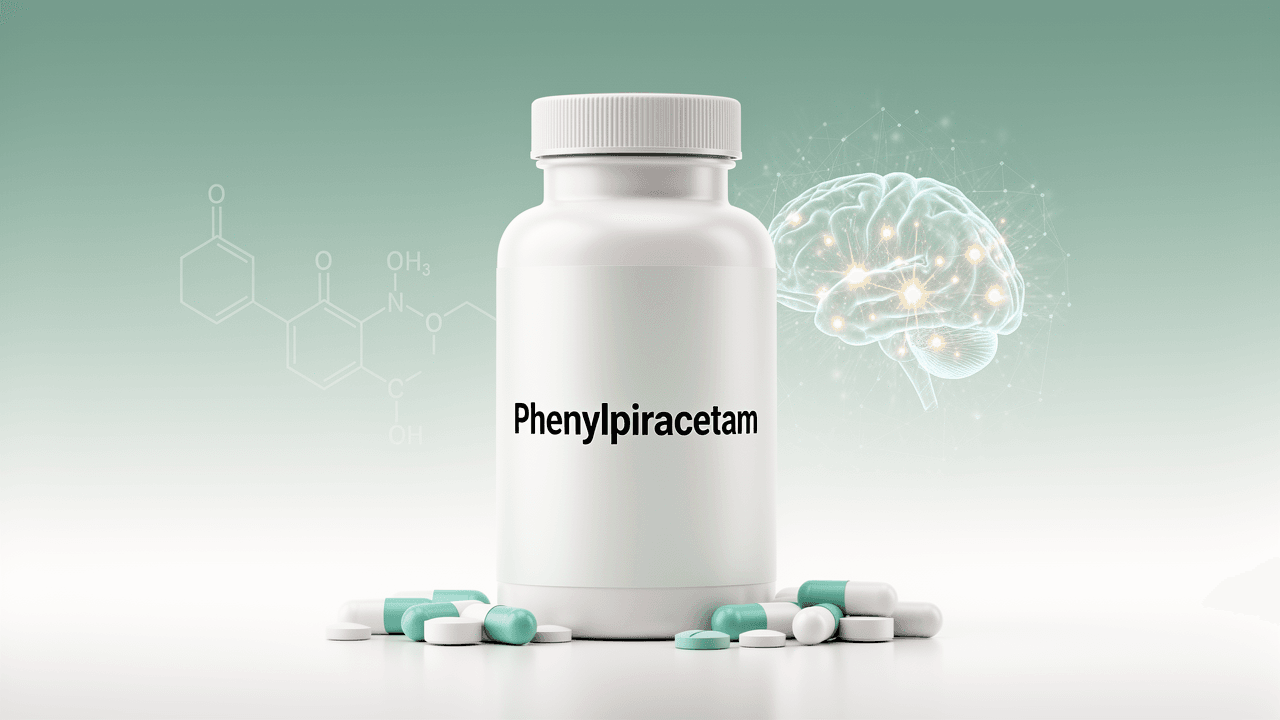
Phenylpiracetam (also known as phenotropil or carphedon) is a synthetic nootropic compound derived from piracetam, the original racetam drug. It was developed in Russia in the 1980s and has been used there as a prescription medication for neurological and psychiatric conditions.
Chemically, phenylpiracetam is piracetam with an added phenyl group. This modification:
- Increases lipophilicity (fat solubility)
- Enhances blood–brain barrier penetration
- Makes it significantly more potent than piracetam on a per‑milligram basis
In many countries, phenylpiracetam is not approved as a medication but is sold online as a research chemical or gray‑market nootropic. It is banned by the World Anti-Doping Agency (WADA) for use in competition because of its potential stimulatory and performance-enhancing effects.
1.1 Mechanisms of Action
Phenylpiracetam’s exact mechanisms in humans are not fully mapped, but based on animal and limited human data, it appears to act via several pathways:
Modulation of glutamatergic and cholinergic systems
- Like piracetam, phenylpiracetam is believed to influence AMPA and NMDA glutamate receptors and possibly acetylcholine signaling.
- This may enhance synaptic plasticity, learning, and memory.
Dopaminergic and noradrenergic effects
- Animal studies suggest phenylpiracetam increases dopamine and norepinephrine activity in certain brain regions, which may explain its psychostimulant, anti-fatigue, and mood-elevating properties.
Neuroprotective and membrane effects
- Phenylpiracetam appears to improve neuronal membrane fluidity and may enhance mitochondrial energy metabolism, supporting resilience under stressors like hypoxia, cold, and immobilization.
Anti-amnesic and pro-cognitive effects
- In rodent models, phenylpiracetam reverses drug-induced amnesia and improves performance in learning tasks, suggesting a direct pro-cognitive effect.
Overall, phenylpiracetam is often described as a stimulating racetam—combining cognitive-enhancing properties with mild stimulant-like effects.
2. Key Benefits of Phenylpiracetam
Based on human and animal research (mostly from Russian literature), phenylpiracetam may offer several potential benefits:
2.1 Cognitive Function and Memory (Especially in Impaired States)
Phenylpiracetam has been studied primarily in people with cognitive impairment due to stroke, brain injury, or organic brain disease—not in healthy young adults.
Reported effects include:
- Improved memory and attention
- Better learning and information processing
- Enhanced mental performance under stress (cold, fatigue, immobilization)
2.2 Physical Performance and Resistance to Stressors
Phenylpiracetam is known for its psychostimulant and anti-asthenic (anti-fatigue) effects:
- Increased physical endurance and tolerance to cold in animal and human studies
- Reduced perceived fatigue and improved work capacity in clinical settings
These effects are why WADA has banned phenylpiracetam for competitive athletes.
2.3 Mood, Motivation, and Anxiety
Clinical reports suggest phenylpiracetam may:
- Reduce apathy, low motivation, and fatigue in post-stroke and organic brain syndromes
- Improve mood and overall well-being
- In some cases, reduce anxiety, especially in patients with neurotic or anxiety disorders
However, in sensitive individuals, the stimulating properties can also increase anxiety or agitation, particularly at higher doses.
2.4 Potential Neuroprotection
Animal and limited clinical data suggest that phenylpiracetam may:
- Protect neurons against hypoxia, ischemia, and toxic damage
- Improve functional recovery after stroke or traumatic brain injury
These findings underlie its medical use in some Eastern European countries for post-stroke rehabilitation and organic CNS disorders.
3. Research Findings on Phenylpiracetam
Most of the phenylpiracetam research is from Russian-language clinical trials and animal studies, often with modest sample sizes and limited blinding or placebo control by modern standards. Still, they provide useful signals.
3.1 Cognitive and Functional Recovery After Stroke
Study: Post-stroke cognitive impairment
- Design: Randomized, double-blind, placebo-controlled trial (Russian)
- Participants: ~100 patients with ischemic stroke and cognitive deficits (exact numbers vary by report)
- Dose: Phenylpiracetam 100–200 mg/day
- Duration: 30–60 days
- Outcomes:
- Improved Mini-Mental State Examination (MMSE) scores vs placebo
- Better attention, memory, and daily functioning
- Reduced asthenia (fatigue, weakness)
- Limitations: Many details reported only in Russian; methodology and randomization procedures are not always fully described.
3.2 Organic Brain Syndromes and Cognitive Decline
Study: Organic CNS lesions and cognitive impairment
- Design: Open-label and controlled trials in patients with organic brain disease (e.g., encephalopathy, traumatic brain injury)
- Participants: Typically 30–100 patients per study
- Dose: 100–200 mg/day (often 100 mg twice daily)
- Duration: 30–90 days
- Findings:
- Improved memory, attention, and executive function scores
- Reduced emotional lability, anxiety, and depression in some cohorts
- Enhanced overall clinical impression (global improvement ratings by physicians)
- Limitations: Many were open-label or compared with standard therapy rather than placebo; risk of bias is moderate to high.
3.3 Physical Performance and Anti-Fatigue Effects
Animal studies have shown that phenylpiracetam:
- Increases swimming endurance and treadmill running time in rodents
- Improves cold resistance and stress tolerance under forced cold exposure and immobilization models
- Enhances performance in maze and learning tasks under stressful conditions
Human data:
- Reports from Russian clinical practice and small trials in patients with chronic fatigue, asthenic syndromes, or post-illness fatigue show:
- Reduced subjective fatigue and weakness
- Improved work capacity and physical activity tolerance
Because of these performance-enhancing properties, phenylpiracetam is listed on the WADA Prohibited List under stimulants.
3.4 Mood and Psychiatric Symptoms
In patients with neurotic disorders, depression, or anxiety (often comorbid with organic brain disease):
- Phenylpiracetam (100–200 mg/day for 4–8 weeks) has been reported to:
- Decrease anxiety and depressive symptoms
- Improve motivation and initiative
- Enhance social and occupational functioning
However, these studies often:
- Combine phenylpiracetam with other medications (e.g., antidepressants)
- Use open-label designs
- Lack robust placebo controls
3.5 Evidence in Healthy Individuals
Evidence in healthy young adults is very limited:
- Most available data are anecdotal (self-reports from nootropic users)
- Users often report:
- Increased alertness, motivation, and focus
- Reduced fatigue
- Sometimes improved verbal fluency or working memory
- Some also report irritability, anxiety, or insomnia, especially at higher doses or with late-day use.
Rigorous, placebo-controlled trials in healthy populations are lacking, so claims about cognitive enhancement in healthy users remain speculative.
4. Best Sources & Dosage – Forms, Dosing, Timing, and Safety
Important: Phenylpiracetam is not approved as a dietary supplement or drug in many countries. Regulatory status varies by region. The following information is educational and not medical advice.
4.1 Forms and Isomers
Phenylpiracetam is typically available as:
- Racemic mixture: Contains both R- and S- enantiomers (most common form)
- Powder or capsules: 50 mg, 100 mg, or 200 mg per capsule are common in the gray market
The R-enantiomer is thought to be more active at cognitive targets, but most commercial products are racemic. Quality can vary significantly among online vendors.
4.2 General Dosing Principles
Clinical dosing in Russian trials typically ranges from 100–200 mg/day, often split into 1–2 doses. For nootropic self-use, common ranges are similar but often on the lower end.
Typical Dosing Ranges
- Low dose: 50–100 mg/day
- Moderate dose: 100–200 mg/day
- High dose (not generally recommended without medical supervision): 200–300 mg/day
Most users and clinicians limit it to 1–2 doses per day, taken in the morning and/or early afternoon to reduce insomnia risk.
4.3 Dosage by Use Case (Informational, Not Prescriptive)
1. Cognitive support in impaired individuals (as in studies)
- Range: 100–200 mg/day
- Schedule: 100 mg once or twice daily (morning and midday)
- Duration: 30–60 days in many trials, sometimes up to 90 days
- Note: In clinical practice, this is done under physician supervision.
2. Fatigue and asthenic conditions (asthenia, post-illness fatigue)
- Range: 100–200 mg/day
- Schedule: 100 mg in the morning; if needed, another 50–100 mg at midday
- Duration: Often 2–8 weeks in clinical reports.
3. Off-label nootropic use in healthy individuals (gray-market context)
- Common self-directed range: 50–150 mg/day
- Schedule: 50–100 mg in the morning; optional 50 mg at midday if well tolerated
- Cycle strategy (commonly advised by experienced users):
- Use 2–3 days per week or 2–4 weeks on / 2–4 weeks off to reduce tolerance and dependence risk.
- Important: There is no robust clinical evidence for long-term safety or efficacy in healthy users.
4.4 Timing and Administration
- Take earlier in the day (morning, and no later than early afternoon) to avoid sleep disturbances.
- Can be taken with or without food; some users report better tolerance with a meal.
- Often combined with choline sources (e.g., alpha-GPC, CDP-choline) in nootropic stacks, though this is based more on piracetam practice than specific phenylpiracetam data.
4.5 Safety, Side Effects, and Interactions
4.5.1 Common Side Effects
Most clinical studies report good tolerability at 100–200 mg/day, but side effects can include:
- Insomnia or difficulty falling asleep (especially with late dosing)
- Nervousness, agitation, or anxiety
- Headache
- Irritability
- Increased blood pressure or heart rate in sensitive individuals (data limited)
- Nausea or gastrointestinal upset (less common)
In clinical trials, adverse effects were generally mild and transient, but these populations were under medical supervision.
4.5.2 Tolerance and Dependence Potential
Because of its stimulating and dopaminergic properties:
- Users often report tolerance developing with daily use over 1–2 weeks (diminished effects).
- Some concern exists about psychological dependence in individuals prone to stimulant misuse, though clinical data are limited.
For these reasons, many experts recommend:
- Avoiding daily long-term use without medical oversight
- Using lowest effective dose and intermittent schedules
- Monitoring for cravings, reliance, or escalating dose
4.5.3 Drug Interactions
Formal interaction studies are scarce, but based on pharmacology and clinical experience, caution is warranted with:
Stimulants (prescription or recreational)
- Examples: amphetamine, methylphenidate, modafinil, cocaine, high-dose caffeine
- Potential: Additive stimulation, increased heart rate, blood pressure, anxiety, insomnia, and possible cardiovascular risk.
Antidepressants affecting dopamine/norepinephrine
- Examples: bupropion, SNRIs (e.g., venlafaxine, duloxetine), MAOIs
- Potential: Enhanced dopaminergic/noradrenergic tone, possibly increasing anxiety, agitation, or blood pressure.
Benzodiazepines and sedative-hypnotics
- Phenylpiracetam’s stimulating effects may counteract sedation, potentially leading to increased use of sedatives or disrupted sleep.
Anticonvulsants
- Some racetams are used adjunctively in seizure disorders, but data for phenylpiracetam are sparse.
- Theoretical concern: Any compound that alters excitatory neurotransmission could influence seizure threshold in susceptible individuals.
Alcohol
- Combined use may mask intoxication, alter subjective effects, or increase risk-taking; best avoided.
Because evidence is limited, individuals on any prescription medication—especially for psychiatric, neurological, or cardiovascular conditions—should consult a healthcare professional before considering phenylpiracetam.
4.5.4 Long-Term Safety
- Most clinical studies last 4–12 weeks; long-term data beyond several months are scarce.
- There is no robust evidence regarding chronic, multi-year use in healthy people.
- Potential concerns include:
- Neurochemical adaptations (tolerance, altered dopamine signaling)
- Effects on sleep architecture
- Possible cardiovascular impact in predisposed individuals
Given these uncertainties, conservative, time-limited use with medical oversight (where applicable) is prudent.
4.6 Who Should and Should Not Use Phenylpiracetam
4.6.1 People Who Might Consider It (With Medical Oversight)
- Individuals in countries where phenylpiracetam is approved as a medication, under guidance of a neurologist or psychiatrist, for:
- Post-stroke cognitive impairment
- Organic brain syndromes (encephalopathy, traumatic brain injury recovery)
- Asthenic states or certain neurotic disorders, when standard treatments are insufficient
In these contexts, dosing, duration, and monitoring are handled by a clinician.
4.6.2 People Who Should Avoid Phenylpiracetam
Phenylpiracetam is not recommended (or should only be considered with very strict specialist oversight) in the following groups:
Pregnant or breastfeeding individuals
- No reliable safety data; avoid.
Children and adolescents
- Limited to no robust pediatric data; avoid outside of controlled clinical settings.
History of seizures or epilepsy
- Insufficient data on seizure threshold effects; racetams can be used clinically in some seizure disorders but require specialist management. Self-experimentation is risky.
Severe cardiovascular disease
- Uncontrolled hypertension, significant arrhythmias, or recent myocardial infarction: stimulatory properties could pose risk.
Bipolar disorder or psychosis
- Dopaminergic stimulation may worsen mania, agitation, or psychotic symptoms.
Severe anxiety disorders or panic disorder
- Stimulant-like effects can exacerbate anxiety, restlessness, and insomnia.
History of substance use disorder (especially stimulants)
- Risk of misuse, psychological dependence, and pattern of escalating doses.
4.6.3 Caution and Medical Consultation Recommended
Consult a healthcare professional before considering phenylpiracetam if you:
- Take antidepressants, antipsychotics, mood stabilizers, stimulants, or anxiolytics
- Have hypertension, arrhythmias, or other cardiovascular risk factors
- Have a history of neurological disorders (stroke, TBI, epilepsy)
- Are planning to use it in combination with other nootropics or stimulants
5. Practical Takeaways
- Potent synthetic nootropic: Phenylpiracetam is a modified form of piracetam with stronger CNS penetration and stimulant-like properties.
- Evidence base: Most clinical data come from Russian trials in post-stroke and organic brain disorders, showing improvements in cognition, fatigue, and mood, but methodological limitations and lack of large, modern RCTs restrict certainty.
- Dose range: Typically 100–200 mg/day, divided into 1–2 doses, used for 4–12 weeks in studies. Healthy users often self-limit to 50–150 mg/day with intermittent schedules.
- Risks: Potential for insomnia, anxiety, irritability, tolerance, and dependence, and unknown long-term safety in healthy individuals.
- Not a casual supplement: Given its pharmacological potency, WADA ban, and regulatory ambiguity, phenylpiracetam should be approached cautiously and, where medically used, under professional supervision.
If you are considering phenylpiracetam for any reason, discuss it with a qualified healthcare provider who understands your medical history, medications, and risk factors, and avoid relying solely on anecdotal reports or unregulated online vendors.