1. Understanding Nicotinamide Riboside (NR)
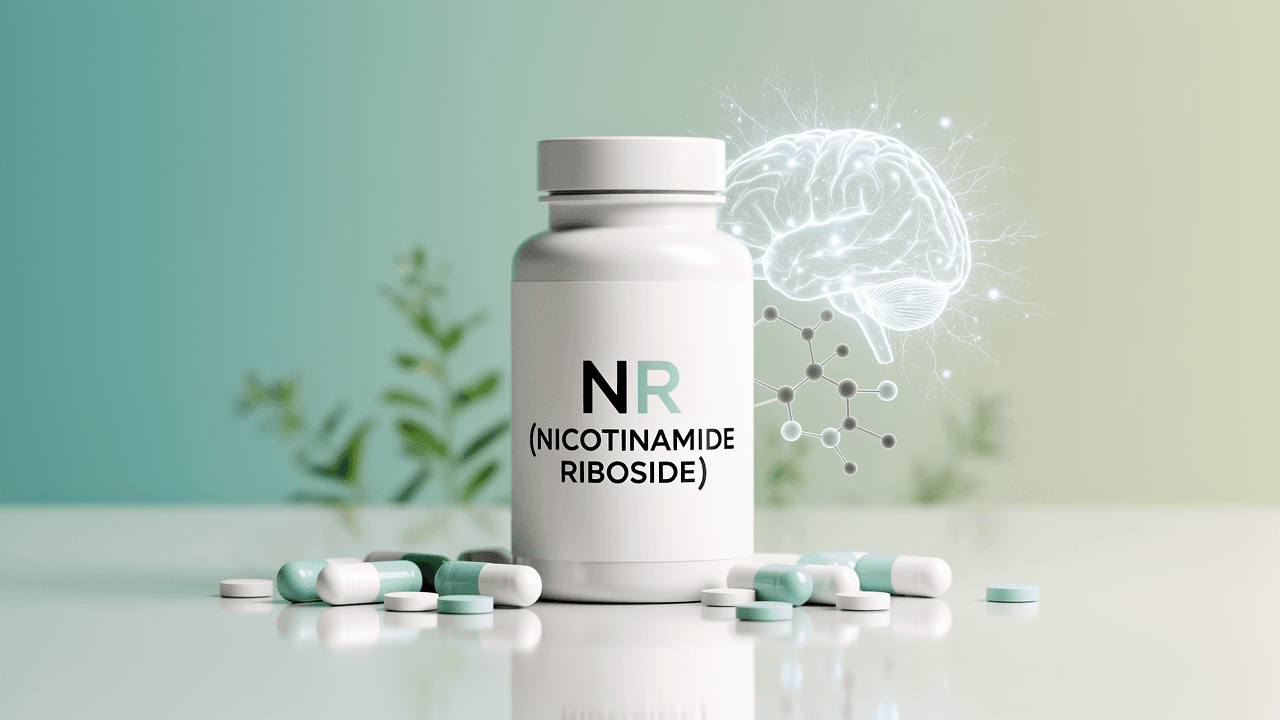
Nicotinamide riboside (NR) is a specialized form of vitamin B3 and a direct precursor to NAD+ (nicotinamide adenine dinucleotide)—a critical molecule involved in cellular energy production, DNA repair, and metabolic regulation.
What is NR?
NR is a naturally occurring vitamin B3 derivative found in trace amounts in foods like milk and yeast. As a supplement, it is typically sold as nicotinamide riboside chloride (often branded as Niagen® or Tru Niagen®).
Unlike classic B3 forms (niacin, nicotinamide), NR has:
- Higher oral bioavailability for raising NAD+ in humans
- Minimal flushing (unlike niacin)
- A more targeted role as an NAD+ booster
How NR Works in the Body
NR’s main role is to increase NAD+ levels via the NRK (nicotinamide riboside kinase) pathway:
- NR → NMN (nicotinamide mononucleotide) via NR kinases (NRK1/NRK2)
- NMN → NAD+ via NMN adenylyltransferases
Higher NAD+ levels support:
- Mitochondrial energy production (NAD+ is required for oxidative phosphorylation in the electron transport chain)
- Sirtuin activation (SIRT1–SIRT7), which are enzymes involved in cellular stress resistance, metabolism, and longevity pathways
- DNA repair via PARPs (poly-ADP ribose polymerases)
- Redox balance and cellular resilience under metabolic or oxidative stress
In aging and some chronic diseases, NAD+ levels decline. NR aims to restore or elevate NAD+, potentially supporting healthier aging and metabolic function.
2. Key Benefits of NR as a Supplement
1. Supports Healthy Aging and Cellular Resilience
By raising NAD+ and activating sirtuins, NR may support:
- Improved mitochondrial function
- Enhanced cellular stress resistance
- Better DNA repair capacity
Human trials show NR consistently increases blood NAD+ by ~40–100% at typical doses, which is considered a foundational mechanism for potential healthy aging benefits.
2. Metabolic Health and Insulin Sensitivity (Mixed Evidence)
NR has been studied for:
- Insulin sensitivity
- Liver fat and lipid profiles
- Metabolic flexibility
Some human studies show modest improvements in liver fat and inflammatory markers, but results on insulin sensitivity and glucose control are inconsistent. Benefits may be more pronounced in specific metabolic conditions rather than in healthy individuals.
3. Neuroprotection and Brain Health (Emerging Evidence)
Preclinical research suggests NR may:
- Protect neurons under metabolic or oxidative stress
- Improve cognitive function in animal models of neurodegeneration
- Support myelination and axonal integrity via NAD+-dependent pathways
Human data are still early but show NR is safe and increases NAD+ in the brain and cerebrospinal fluid in some small trials.
4. Cardiovascular and Vascular Function (Early Data)
NR may influence:
- Arterial stiffness
- Blood pressure
- Endothelial function
Some small human studies suggest NR can modestly improve arterial stiffness and blood pressure in specific populations, though results are not uniform.
3. Research Findings on NR
Below are key human and animal studies illustrating what we know (and don’t yet know) about NR.
3.1 NAD+ Boosting in Humans
Study: Trammell et al., 2016 (Healthy Adults)
- Design: Randomized, double-blind, crossover study
- Participants: 12 healthy men and women
- Dose: 100, 300, or 1000 mg/day NR for 7 days
- Findings:
- NR increased blood NAD+ in a dose-dependent manner
- At 300 mg and 1000 mg/day, NAD+ increased by ~40–90% from baseline
- Well tolerated; no serious adverse events
This established that NR is an effective oral NAD+ precursor in humans.
3.2 Metabolic Health and Insulin Sensitivity
Study: Dollerup et al., 2018 (Obese, Insulin-Resistant Men)
- Design: Randomized, double-blind, placebo-controlled
- Participants: 40 obese, insulin-resistant men
- Dose: 2000 mg/day NR for 12 weeks
- Key Outcomes:
- No significant improvement in insulin sensitivity (measured via hyperinsulinemic-euglycemic clamp)
- No major changes in body composition or energy expenditure
- Some changes in skeletal muscle gene expression related to NAD+ metabolism
- NR was safe and well tolerated
Interpretation: High-dose NR did not improve insulin sensitivity in this group, suggesting metabolic benefits may be context-specific.
Study: Dollerup et al., 2019 (Type 2 Diabetes)
- Design: Randomized, double-blind, placebo-controlled
- Participants: 40 patients with type 2 diabetes
- Dose: 2000 mg/day NR for 12 weeks
- Findings:
- No significant improvement in glycemic control (HbA1c, fasting glucose)
- Some improvement in markers of liver inflammation and liver fat trends, but not uniformly significant
Interpretation: NR appears safe in type 2 diabetes at high doses but offers limited direct glycemic benefit in short-term trials.
3.3 Liver Fat and Inflammation
Study: Døssing et al., 2020 (NAFLD / Non-Alcoholic Fatty Liver Disease)
- Design: Randomized, double-blind, placebo-controlled
- Participants: 40 patients with NAFLD
- Dose: 2000 mg/day NR for 12 weeks
- Findings:
- Modest reductions in ALT (liver enzyme) and some inflammatory markers
- Trends toward reduced liver fat on imaging, but not always statistically significant
- Good tolerability
Interpretation: NR may offer supportive benefits for liver health, but larger and longer trials are needed.
3.4 Vascular and Cardiovascular Outcomes
Study: Martens et al., 2018 (Middle-Aged and Older Adults)
- Design: Randomized, double-blind, placebo-controlled, crossover
- Participants: 24 middle-aged and older adults (55–79 years)
- Dose: 500 mg NR twice daily (1000 mg/day) for 6 weeks
- Findings:
- NAD+ levels increased
- In individuals with higher baseline blood pressure, NR reduced systolic blood pressure by ~10 mmHg and decreased arterial stiffness (carotid-femoral pulse wave velocity)
- No significant changes in healthy normotensive participants
Interpretation: NR may benefit vascular function in older adults with elevated blood pressure, but not necessarily in those with normal BP.
3.5 Brain and Neuroprotection (Preclinical and Early Human Data)
Animal Studies:
- NR supplementation in mouse models of neurodegeneration (e.g., Alzheimer’s, Parkinson’s) has shown:
- Reduced neuronal damage and neuroinflammation
- Improved cognitive performance in memory tasks
- Protection of axons and myelin via NAD+-dependent repair pathways
Human Data:
- Small pilot and mechanistic studies (sample sizes often <30) show:
- NR increases NAD+ in peripheral blood mononuclear cells and sometimes in cerebrospinal fluid
- Good tolerability
- Cognitive outcomes are still under investigation; no large definitive trials yet
Interpretation: NR is promising for neuroprotection based on animal data, but human cognitive and neurodegenerative disease outcomes remain unproven.
3.6 Exercise Performance and Mitochondria
Study: Elhassan et al., 2019 (Older Adults)
- Design: Randomized, double-blind, placebo-controlled
- Participants: 24 older adults (70–80 years)
- Dose: 500 mg NR twice daily (1000 mg/day) for 21 days
- Findings:
- Increased skeletal muscle NAD+ metabolites
- No significant improvement in muscle mitochondrial respiration or physical performance in the short term
Interpretation: NR clearly affects muscle NAD+ metabolism, but short-term supplementation alone may not improve performance in older adults without concurrent training.
4. Best Sources & Dosage
4.1 Forms of NR
- Nicotinamide riboside chloride (most common, widely studied; often branded Niagen®)
- Available as:
- Standalone NR capsules or tablets
- NAD+ boosting blends (with pterostilbene, resveratrol, or other B vitamins)
Food sources contain only trace amounts of NR (e.g., milk, yeast), far below supplemental doses.
4.2 Typical Dosage Ranges
Most human trials use 250–2000 mg/day. Common supplemental ranges:
General wellness / healthy aging:
- 250–500 mg/day, usually in the morning with or without food
Metabolic / vascular support (as used in studies):
- 500–1000 mg/day, often split into 250–500 mg twice daily
High-dose research protocols:
- Up to 2000 mg/day in clinical trials (e.g., metabolic or liver studies)
There is no established RDA for NR; these ranges are based on clinical trial doses.
4.3 Timing and Stacking Considerations
Timing:
- Often taken in the morning; some split doses (morning and afternoon) to maintain NAD+ levels
- Avoiding late-night dosing is a conservative approach for those sensitive to energy changes, though many tolerate it well
With food or without:
- Can be taken with or without food; some users report better GI tolerance with meals
Common combinations (“stacks”):
- NR + resveratrol or pterostilbene: to support sirtuin activation (theoretical synergy)
- NR + CoQ10 or PQQ: for mitochondrial support
- NR + standard B-complex: to support overall NAD+ cofactor pathways
Evidence for specific stack combinations is mostly theoretical or preclinical; human trials typically study NR alone.
4.4 How Long to Use NR
- Studies range from 1 week to 6 months of continuous use
- NAD+ levels typically rise within 1–2 weeks and stabilize
- For healthy aging goals, people often use NR long term, but definitive long-term outcome data (multi-year) are still lacking
A practical approach:
- Use NR for 8–12 weeks, monitor how you feel, and consider periodic breaks (e.g., 1–2 weeks off every few months) while we await long-term data.
5. Safety, Side Effects, and Interactions
5.1 Overall Safety Profile
Across multiple human trials (often 12–24 weeks, up to 2000 mg/day), NR has shown a favorable safety profile.
Commonly reported mild side effects:
- Nausea or stomach discomfort
- Diarrhea or loose stools
- Headache
- Mild fatigue or, less commonly, restlessness
These effects are generally dose-related and often improve by:
- Reducing dose
- Taking with food
- Splitting dose (e.g., 250 mg twice daily instead of 500 mg once)
5.2 Laboratory and Organ Safety
- Trials at up to 2000 mg/day have not shown consistent clinically significant changes in:
- Liver enzymes (ALT, AST) beyond normal fluctuations
- Kidney function (creatinine, eGFR)
- Blood counts
- Some studies in NAFLD suggest potential improvement in liver markers
However, long-term (>1 year) safety data remain limited.
5.3 Theoretical Cancer Considerations
Because NAD+ supports DNA repair and cellular metabolism, there is a theoretical concern that elevated NAD+ might support the growth of existing cancer cells.
Current status:
- Animal and cell studies are mixed; some suggest NAD+ precursors may protect against DNA damage and carcinogenesis, while others raise concerns about supporting tumor metabolism in certain contexts
- Human clinical trials to date are not powered to assess cancer risk or incidence
Practical takeaway:
- For individuals with active cancer or a history of cancer, use of high-dose NR should be discussed with an oncologist until clearer data emerge.
5.4 Drug Interactions
Direct, well-documented drug–NR interactions are limited, but several theoretical or indirect considerations apply:
Chemotherapy and targeted cancer therapies
- Because NAD+ pathways influence cell survival and DNA repair, NR could theoretically interfere with or augment certain cancer treatments
- Always consult an oncologist before combining NR with cancer therapy
Immunosuppressants and autoimmune medications
- NAD+ and sirtuins modulate immune function; theoretical concern about altering immune responses
- No strong clinical data yet, but caution is advisable
Other NAD+ precursors (niacin, nicotinamide, NMN)
- Combining multiple NAD+ precursors may increase NAD+ more than intended and could raise side-effect risk (e.g., GI upset, potential liver strain at high niacin doses)
- If combining, use lower doses and monitor tolerance
Liver-metabolized drugs
- NR itself has not been clearly shown to interfere with major liver enzymes (CYP450), but because it affects liver metabolism, caution is prudent in those on multiple hepatically metabolized medications
If you take prescription medications, especially for cancer, autoimmune disease, or liver disease, discuss NR with your healthcare provider first.
5.5 Who Should Avoid or Use NR with Extra Caution
Pregnant or breastfeeding individuals
- Insufficient safety data; avoid unless specifically advised by a clinician
Children and adolescents
- No robust data; NR research is almost entirely in adults
Active cancer or history of cancer
- Theoretical concerns about tumor metabolism; seek oncologist guidance
Severe liver or kidney disease
- While NR has not shown clear organ toxicity, these patients are more vulnerable; use only under medical supervision
Known allergy or hypersensitivity to NR or excipients in the product
6. Who Should and Shouldn’t Use NR
6.1 Who May Benefit from NR
Based on current evidence, NR may be most relevant for:
Middle-aged and older adults interested in healthy aging
- NAD+ declines with age; NR reliably increases NAD+
- Possible benefits for vascular function and cellular resilience
Individuals with metabolic risk factors (under medical care)
- Overweight/obesity, NAFLD, mild metabolic syndrome
- Some evidence for liver health and vascular markers, though not a substitute for diet, exercise, or prescribed medications
Those with high oxidative or metabolic stress
- Intense training, chronic sleep deprivation, or high-stress lifestyles (theoretical benefit; human data limited)
Early-stage research participants in neurodegenerative risk (in clinical trial settings)
- Preclinical data are promising, but routine use specifically for Alzheimer’s or Parkinson’s prevention is not yet evidence-based
6.2 Who Should Probably Avoid or Use Only Under Supervision
- Pregnant or breastfeeding individuals – due to lack of safety data
- Children and teens – no established need or dosing
- Patients with active cancer or strong cancer history – theoretical tumor-support concerns
- Those on complex medication regimens (especially oncology, immunosuppressants, serious liver disease) – require individualized medical advice
6.3 NR vs. Other NAD+ Precursors
- Niacin (nicotinic acid):
- Raises NAD+ but can cause flushing and, at high doses, liver strain
- Nicotinamide (niacinamide):
- Raises NAD+ but can inhibit sirtuins at high concentrations
- NMN (nicotinamide mononucleotide):
- Another direct NAD+ precursor; human data are increasing but still less extensive than NR; regulatory status varies by country
NR stands out for:
- Good tolerability
- Consistent NAD+ boosting in humans
- A relatively solid early safety record
7. Practical Guidelines for Using NR
7.1 Suggested Starting Approach (For Generally Healthy Adults)
Start low:
- 250 mg once daily with breakfast for 1–2 weeks
Assess tolerance:
- Watch for GI issues, headaches, or unusual fatigue/insomnia
Adjust dose if needed:
- If well tolerated and you want to match typical study doses, increase to 500 mg/day
- For more aggressive NAD+ support (e.g., under clinician guidance), consider up to 1000 mg/day, split into 2 doses (500 mg morning, 500 mg early afternoon)
Cycle and monitor:
- Use for 8–12 weeks, then reassess energy, sleep, and overall well-being
- Consider periodic breaks (e.g., 1–2 weeks off after every 2–3 months)
7.2 Monitoring and Lab Work
If you plan to use NR long term or at higher doses (≥1000 mg/day), consider periodic labs:
- Liver function tests (ALT, AST, ALP, bilirubin)
- Kidney function (creatinine, eGFR)
- Fasting glucose and lipids (if using for metabolic support)
While problems are rare in studies, this is a prudent precaution for any long-term supplement regimen.
8. Limitations of Current Evidence
- Most human studies are short-term (weeks to a few months)
- Many trials involve small sample sizes (often 20–60 participants)
- Clinical endpoints (e.g., reduced disease incidence, extended lifespan, improved cognition) are not yet demonstrated in humans
- Benefits seem modest and context-dependent, not universal
NR should be viewed as a potentially useful adjunct to:
- Healthy diet
- Regular exercise
- Sleep optimization
- Stress management
—not as a replacement for these foundational lifestyle factors.
Takeaway
Nicotinamide riboside (NR) is a well-characterized NAD+ precursor that:
- Reliably increases NAD+ levels in humans
- Shows promising, though still preliminary, benefits for vascular health, liver markers, and cellular resilience
- Has a generally favorable safety profile at doses of 250–1000 mg/day, with up to 2000 mg/day used in trials
However, long-term outcomes on aging, cognition, and chronic disease prevention remain unproven. NR is best used thoughtfully—ideally under medical guidance—especially in people with complex medical histories or those considering higher doses.