1. Understanding L‑Tyrosine – What It Is and How It Works
L‑Tyrosine is a non‑essential amino acid that the body can synthesize from phenylalanine and also obtain from protein‑rich foods (e.g., poultry, fish, dairy, soy, legumes). It is a critical precursor for several key molecules:
- Catecholamine neurotransmitters: dopamine, norepinephrine, and epinephrine
- Thyroid hormones: thyroxine (T4) and triiodothyronine (T3)
- Melanin: the pigment in skin, hair, and eyes
Because of its central role in catecholamine synthesis, L‑tyrosine is often used as a nootropic and stress‑support supplement, especially in situations of acute stress, sleep deprivation, or high cognitive demand.
1.1 Biochemical role and mechanism
After ingestion, L‑tyrosine is absorbed in the small intestine and transported into the brain via large neutral amino acid (LNAA) transporters. Once in the brain, it enters the catecholamine synthesis pathway:
- Tyrosine → L‑DOPA via tyrosine hydroxylase (rate‑limiting step)
- L‑DOPA → Dopamine via aromatic L‑amino acid decarboxylase
- Dopamine → Norepinephrine → Epinephrine via dopamine β‑hydroxylase and phenylethanolamine N‑methyltransferase
Under normal, resting conditions, tyrosine hydroxylase is tightly regulated, and extra tyrosine does not dramatically increase catecholamine levels. However, under stressful or high‑demand conditions, catecholamine turnover increases and intracellular tyrosine can become relatively limiting. Supplementation appears most useful in these contexts.
In the thyroid, tyrosine combines with iodine to form T3 and T4. While this is essential for thyroid hormone production, typical L‑tyrosine doses used as nootropics do not reliably correct hypothyroidism and should not replace thyroid medication.
2. Key Benefits of L‑Tyrosine
2.1 Supports cognitive performance under acute stress
The most consistent evidence for L‑tyrosine is its ability to help maintain attention, working memory, and cognitive flexibility during acute stressors such as cold exposure, military training, or sleep deprivation. It appears to buffer stress‑induced declines in catecholamine function.
2.2 May improve working memory and mental flexibility
Several controlled trials show that L‑tyrosine can enhance working memory, task switching, and cognitive flexibility, particularly in demanding tasks and in individuals under cognitive load, even without extreme environmental stress.
2.3 Potential support for mood and resilience
By supporting dopamine and norepinephrine synthesis, L‑tyrosine may help with subjective mood and stress resilience in some individuals, especially when under strain. However, evidence for treating clinical depression or anxiety is limited and mixed, and it is not a replacement for standard psychiatric care.
2.4 Possible role in thyroid support (with caveats)
Because tyrosine is a building block of thyroid hormones, it is sometimes used in thyroid support formulas. Limited data suggest it may modestly support thyroid function when combined with iodine in specific deficiency states, but it should not be considered a primary treatment for hypothyroidism.
3. Research Findings
3.1 Cognitive performance under environmental stress
Cold‑induced stress in healthy adults
- Design: Randomized, double‑blind, placebo‑controlled, crossover
- Participants: 8 healthy adults
- Intervention: 150 mg/kg L‑tyrosine vs placebo (roughly 10–12 g for a 70–80 kg person)
- Conditions: Cold exposure with demanding cognitive tasks
- Duration: Acute, single dose
- Findings: L‑tyrosine significantly improved tracking performance and reduced performance decrements in cold compared with placebo. The authors concluded that tyrosine may counteract stress‑induced catecholamine depletion and support cognitive function in harsh environments.
(Reference: Shurtleff et al., military performance study; early 1990s)
Military‑style stress and vigilance
- Design: Randomized, double‑blind, placebo‑controlled
- Participants: 20–30 healthy subjects (military‑relevant sample)
- Intervention: 2 g L‑tyrosine vs placebo
- Conditions: Fatiguing vigilance tasks and stressors
- Duration: Single dose
- Findings: L‑tyrosine improved vigilance and reaction time compared with placebo, particularly later in the task when fatigue and stress were higher.
(Reference: Deijen & Orlebeke, 1994; tyrosine and cognitive performance)
3.2 Working memory and cognitive flexibility in demanding tasks
Working memory under cognitive load
- Design: Randomized, double‑blind, placebo‑controlled, crossover
- Participants: 22 healthy young adults
- Intervention: 2 g L‑tyrosine vs placebo
- Tasks: N‑back working memory task and other cognitive tests
- Duration: Acute, single dose
- Findings: L‑tyrosine improved working memory performance (especially at higher task difficulty) and enhanced cognitive flexibility measures. Benefits were most evident in more demanding conditions, consistent with a role in supporting dopamine‑dependent prefrontal functions.
(Reference: Colzato et al., 2013–2014 series on tyrosine and cognition)
Task switching and flexibility
- Design: Randomized, double‑blind, placebo‑controlled, crossover
- Participants: 22–28 healthy adults
- Intervention: 2 g L‑tyrosine vs placebo
- Tasks: Task‑switching paradigms assessing cognitive flexibility
- Duration: Acute
- Findings: L‑tyrosine reduced switch costs (the performance penalty when switching tasks), suggesting improved cognitive flexibility, likely via enhanced dopaminergic function in the prefrontal cortex.
(Reference: Colzato et al., 2014)
3.3 Sleep deprivation and sustained performance
Cognitive performance after sleep loss
- Design: Randomized, double‑blind, placebo‑controlled
- Participants: Military personnel or healthy volunteers (varies by study; typically 20–40 participants)
- Intervention: 150 mg/kg L‑tyrosine vs placebo
- Conditions: Up to 24 hours of sleep deprivation with vigilance and performance tests
- Duration: Acute
- Findings: L‑tyrosine delayed performance decline and improved vigilance and reaction time compared with placebo, though it did not fully restore performance to baseline. Effects typically lasted several hours.
(Reference: Banderet & Lieberman, 1989; Lieberman et al., 2005‑era military research)
3.4 Mood and stress resilience
Evidence for mood effects is more limited and heterogeneous.
Stress and mood in healthy volunteers
- Design: Small randomized, placebo‑controlled studies
- Participants: 8–30 healthy adults
- Intervention: 100–150 mg/kg L‑tyrosine
- Conditions: Acute stressors (cold, noise, multitasking)
- Findings: Some studies report reduced subjective stress and improved mood ratings under challenging conditions, parallel to cognitive benefits. However, effects on baseline mood in non‑stressed individuals are small or absent.
There is insufficient high‑quality evidence to support L‑tyrosine as a standalone treatment for depression or anxiety.
3.5 Thyroid‑related findings
Human data specifically testing L‑tyrosine for thyroid disorders are sparse.
- Some small, uncontrolled or combination‑formula studies (tyrosine + iodine + micronutrients) suggest modest support of thyroid parameters in subclinical hypothyroidism or iodine deficiency.
- Controlled trials isolating L‑tyrosine alone and showing clinically meaningful improvements in hypothyroidism are lacking.
Therefore, while tyrosine is biochemically essential for thyroid hormone synthesis, supplementation should not be used to self‑treat thyroid disease without medical supervision.
4. Best Sources & Dosage – Forms, Dosing, Timing, and Safety
4.1 Dietary sources of L‑tyrosine
Most people obtain adequate tyrosine from protein‑rich foods:
- Poultry (chicken, turkey)
- Fish and seafood
- Beef and pork
- Eggs and dairy (milk, yogurt, cheese)
- Soy products (tofu, tempeh, soybeans)
- Legumes and some seeds (e.g., pumpkin seeds, sesame)
A typical omnivorous diet provides 1–5 g/day of tyrosine from food, depending on total protein intake.
4.2 Supplemental forms
Common supplemental forms include:
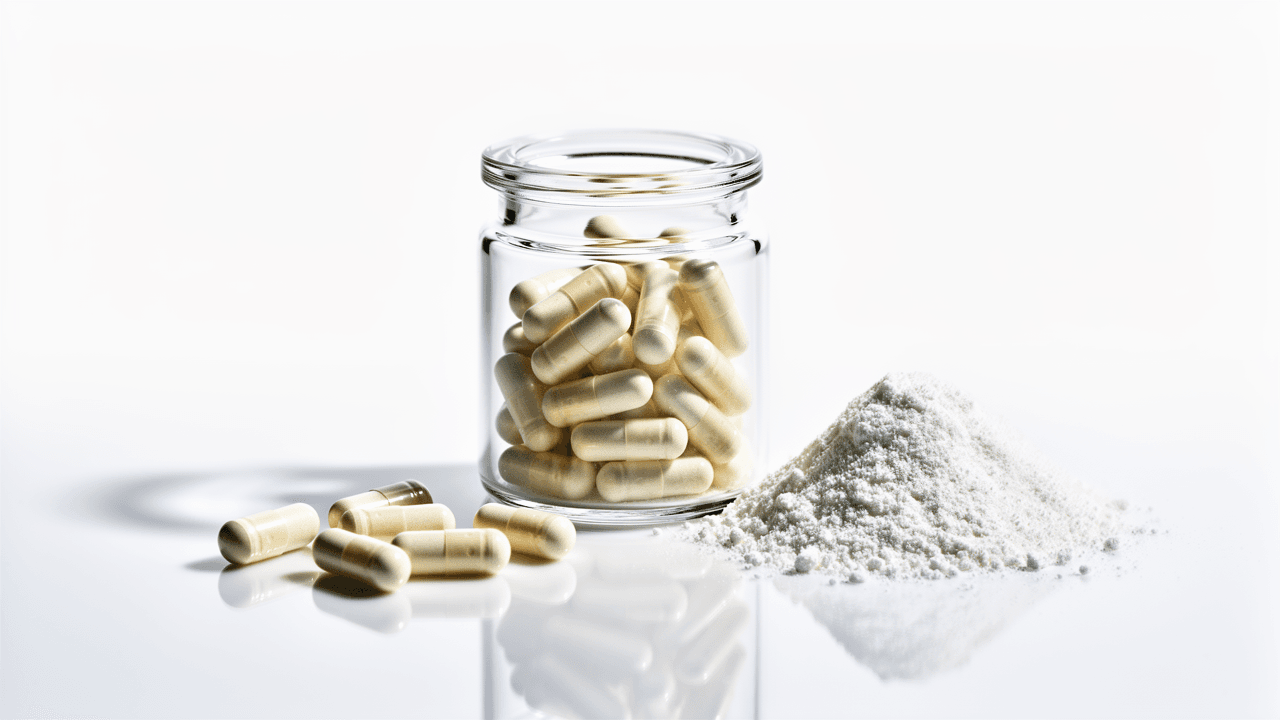
- L‑Tyrosine (free form): Most widely used; good evidence base.
- N‑Acetyl‑L‑Tyrosine (NALT): More water‑soluble, often marketed as better absorbed, but it appears to convert to free tyrosine less efficiently. For cognitive purposes, standard L‑tyrosine typically has the stronger evidence base.
Most research on cognition and stress uses free L‑tyrosine.
4.3 Evidence‑based dosage guidelines
Important: These ranges are for generally healthy adults. Individual needs and tolerances vary, and medical advice is recommended, especially if you use medications or have health conditions.
4.3.1 For acute stress, cold exposure, or extreme conditions
- Typical research dose: 100–150 mg/kg body weight as a single dose
- For a 70 kg person: 7,000–10,500 mg (7–10.5 g)
- Use case: Military operations, survival situations, extreme cold, or very high acute stress.
- Comment: These doses are high and not usually necessary for everyday use. They should be used cautiously and not chronically without professional oversight.
4.3.2 For everyday cognitive support (working memory, focus)
Based on lower‑dose studies and practical experience:
- Common supplemental range: 500–2,000 mg (0.5–2 g) per dose
- Frequency: 1–2 times per day, typically before demanding cognitive tasks
- Example protocol:
- 500–1,000 mg 30–60 minutes before work, study, or exams
- Optional additional 500–1,000 mg later in the day if needed, not close to bedtime
Benefits are more likely when you are under cognitive strain, stress, or mild sleep restriction, not necessarily at rest.
4.3.3 For sleep deprivation or extended wakefulness
Drawing from military‑type studies but using more conservative doses:
- Dose: 2,000–3,000 mg (2–3 g) once, 30–60 minutes before or during a prolonged wakeful period
- Frequency: Occasional use only; not a substitute for sleep
4.3.4 For general mood or thyroid “support”
- Typical supplement range: 500–1,500 mg/day, often in divided doses
- Evidence: Limited for mood and thyroid outcomes; any use in these areas should be adjunctive and supervised by a healthcare provider, especially if you have mood disorders or thyroid disease.
4.4 Timing and administration
With or without food?
- L‑tyrosine competes with other large neutral amino acids (e.g., leucine, valine, tryptophan) for transport across the gut and blood–brain barrier.
- For maximal brain uptake, many protocols recommend taking L‑tyrosine on an empty stomach or away from high‑protein meals by at least 1 hour.
Caffeine or stimulants:
- Some users combine L‑tyrosine with caffeine or other nootropics. This may enhance alertness but can also increase jitteriness or anxiety in sensitive individuals.
4.5 Safety, side effects, and interactions
L‑Tyrosine is generally well tolerated at doses up to about 100–150 mg/kg acutely in healthy adults. Long‑term safety data at high doses are limited, so conservative dosing is recommended.
4.5.1 Common side effects
More likely at higher doses (>2–3 g at once) or in sensitive individuals:
- Nausea or gastrointestinal discomfort
- Headache
- Heartburn
- Restlessness or agitation
- Insomnia (especially if taken late in the day)
Lowering the dose or taking it earlier in the day usually mitigates these issues.
4.5.2 Potential serious concerns and contraindications
Thyroid disorders
- Tyrosine is a precursor to thyroid hormones; high doses may theoretically influence thyroid function.
- People with hyperthyroidism or those taking thyroid hormone (levothyroxine, liothyronine) should be cautious, as tyrosine might potentiate thyroid activity.
- People with hypothyroidism should not self‑treat with tyrosine instead of prescribed medication.
Melanoma history
- Tyrosine is a precursor to melanin, and melanoma cells can be tyrosine‑dependent.
- Many clinicians recommend avoiding L‑tyrosine supplementation in individuals with a history of melanoma or at very high risk, pending medical advice.
Cardiovascular issues
- By supporting catecholamine synthesis, tyrosine may modestly affect blood pressure and heart rate in some individuals.
- People with uncontrolled hypertension, arrhythmias, or cardiovascular disease should use it only under medical supervision.
Psychiatric conditions
- Tyrosine influences dopamine and norepinephrine, which are central to psychiatric medications.
- Individuals with bipolar disorder, psychosis, schizophrenia, or severe anxiety should avoid unsupervised use, as changes in catecholamine levels might worsen symptoms.
4.5.3 Drug and supplement interactions
MAO inhibitors (MAOIs)
- Drugs: phenelzine, tranylcypromine, isocarboxazid, selegiline (higher doses), and some others.
- Mechanism: MAOIs reduce breakdown of monoamines (dopamine, norepinephrine, serotonin). Combined with high catecholamine precursors, there is a theoretical risk of hypertensive crisis or excessive catecholamine activity.
- Recommendation: Avoid combining high‑dose L‑tyrosine with MAOIs unless explicitly supervised by a specialist.
Stimulant medications
- Drugs: amphetamine salts (Adderall), lisdexamfetamine (Vyvanse), methylphenidate (Ritalin, Concerta), modafinil/armodafinil (to a lesser extent).
- Tyrosine may potentiate stimulant effects by supporting catecholamine synthesis, potentially increasing heart rate, blood pressure, anxiety, or insomnia.
- Recommendation: If you take stimulants for ADHD or narcolepsy, consult your prescriber before adding L‑tyrosine, and start low if approved.
Thyroid medications
- Drugs: levothyroxine (T4), liothyronine (T3), desiccated thyroid.
- Tyrosine might theoretically enhance thyroid hormone production or effects.
- Recommendation: Use only under medical supervision and monitor thyroid labs if used long‑term.
Levodopa (L‑DOPA)
- Used in Parkinson’s disease.
- Tyrosine and L‑DOPA may compete for absorption and transport; additional tyrosine could interfere with levodopa’s pharmacokinetics.
- Recommendation: Parkinson’s patients should not add L‑tyrosine without specialist guidance.
Other catecholamine‑modulating supplements
- Examples: high‑dose phenylalanine, mucuna pruriens (L‑DOPA), yohimbine, some pre‑workout stimulants.
- Combined use may increase risk of overstimulation, anxiety, or cardiovascular effects.
4.5.4 Pregnancy and breastfeeding
- Robust safety data for L‑tyrosine supplementation in pregnancy and lactation are lacking.
- Because of its role in hormone synthesis and catecholamines, avoid supplemental doses above normal dietary intake unless specifically recommended by a healthcare provider.
4.6 Who should and should not use L‑Tyrosine
4.6.1 Who may consider L‑tyrosine (with appropriate caution)
- Healthy adults seeking to support cognitive performance under acute stress, such as:
- Students during exams
- Shift workers and first responders (occasional use)
- Military personnel or individuals in harsh environments
- Individuals facing periods of high cognitive demand or mild sleep restriction, aiming to preserve working memory and alertness
- People exploring nootropics who want a relatively well‑studied amino acid with a clear biochemical role, and who have no contraindicating conditions
4.6.2 Who should avoid or only use under medical supervision
- People with hyperthyroidism or on thyroid hormone replacement
- Individuals with a history of melanoma or high melanoma risk
- Those with uncontrolled hypertension, arrhythmias, or significant cardiovascular disease
- Individuals with bipolar disorder, psychotic disorders, or severe anxiety
- Anyone taking:
- MAOIs
- Stimulant medications (ADHD, narcolepsy) without prescriber approval
- Levodopa for Parkinson’s disease
- Pregnant or breastfeeding women (unless specifically cleared by a clinician)
5. Practical Takeaways
- L‑Tyrosine is a catecholamine precursor that can help maintain cognitive performance, especially under acute stress, sleep loss, or high cognitive load.
- Most supportive research uses single doses of 2–10 g, often calculated as 100–150 mg/kg, in healthy adults.
- For everyday nootropic use, 500–2,000 mg taken 30–60 minutes before demanding tasks, preferably away from high‑protein meals, is a common and more conservative range.
- It is generally well tolerated but can cause GI upset, restlessness, or insomnia at higher doses and may interact with thyroid function, stimulants, MAOIs, and cardiovascular status.
- L‑Tyrosine is not a treatment for depression, anxiety, or thyroid disease and should not replace prescribed medications.
As with any nootropic or supplement, it is wise to:
- Start at the low end of the dose range (e.g., 500 mg) to assess tolerance.
- Use it strategically, not continuously, focusing on genuinely demanding days.
- Consult a healthcare professional if you have medical conditions or take medications that may interact with catecholamines or thyroid function.