1. Understanding Lion’s Mane – What It Is and How It Works
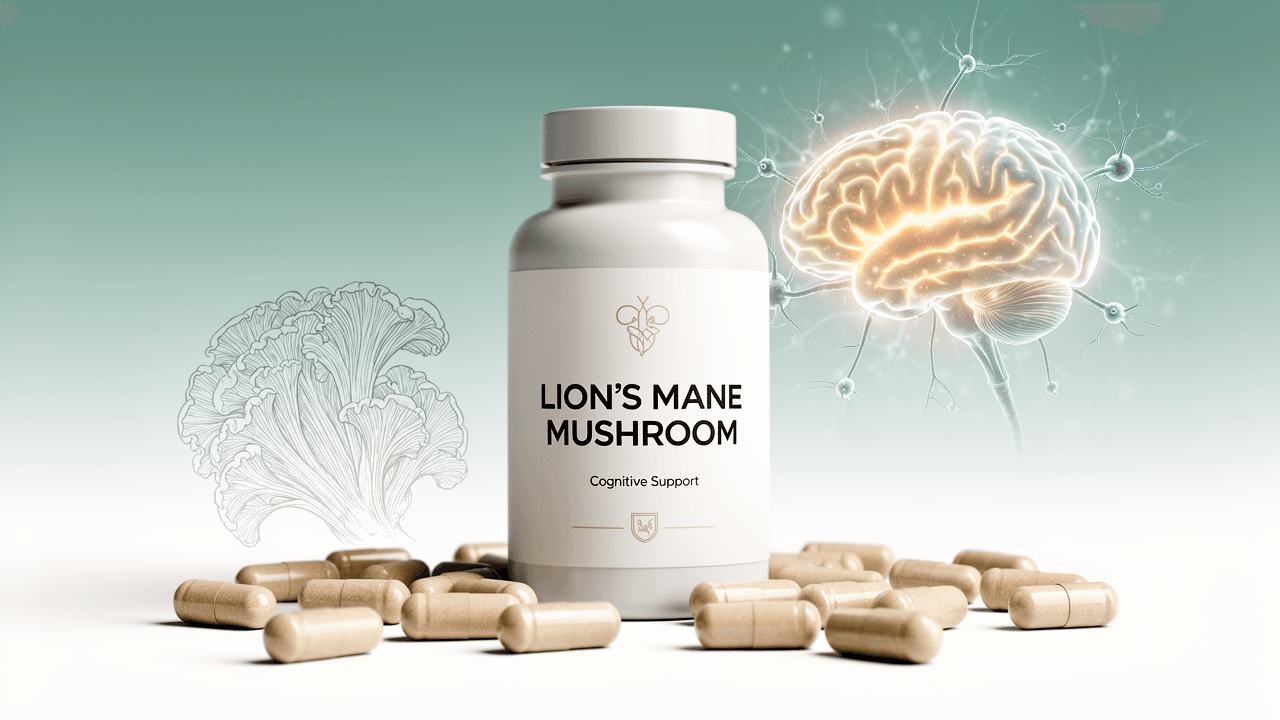
Lion’s Mane (Hericium erinaceus) is a culinary and medicinal mushroom traditionally used in East Asian medicine. It is now widely marketed as a nootropic supplement for cognition, mood, and nerve health.
What Lion’s Mane Contains
Lion’s Mane fruiting body and mycelium contain several bioactive compounds:
- Hericenones (mainly from the fruiting body)
- Erinacines (mainly from the mycelium)
- Polysaccharides (β-glucans)
- Phenolic compounds and antioxidants
These compounds are believed to underlie its neurotrophic, anti-inflammatory, and immunomodulatory effects.
Proposed Mechanisms of Action
1. Nerve Growth Factor (NGF) and BDNF modulation
- Hericenones and erinacines appear to stimulate the synthesis of nerve growth factor (NGF) and may influence brain-derived neurotrophic factor (BDNF) in the brain.
- NGF and BDNF support:
- Neuronal growth and survival
- Synaptic plasticity (how neurons form and strengthen connections)
- Myelination and nerve repair
2. Neuroprotection and anti-inflammatory effects
In cell and animal models, Lion’s Mane extracts:
- Reduce neuroinflammation by downregulating pro-inflammatory cytokines (e.g., TNF-α, IL‑1β)
- Decrease oxidative stress via antioxidant and Nrf2-related pathways
- Protect neurons from β-amyloid and other neurotoxic insults relevant to Alzheimer’s disease models
3. Possible effects on neurotransmission
Preclinical studies suggest that Lion’s Mane may:
- Modulate cholinergic signaling (acetylcholine), important for memory and attention
- Influence monoamines (serotonin, dopamine, norepinephrine) indirectly through neurotrophic and anti-inflammatory effects
4. Immune and gut interactions
Lion’s Mane polysaccharides act as prebiotic fibers, potentially:
- Supporting beneficial gut bacteria
- Modulating immune function via gut-associated lymphoid tissue
Since the gut–brain axis can influence mood and cognition, these peripheral effects may contribute to its nootropic profile.
2. Key Benefits of Lion’s Mane
1. Cognitive Support (Memory, Focus, Mild Cognitive Impairment)
Human trials suggest Lion’s Mane may improve mild cognitive impairment (MCI) and support memory and concentration in older adults, likely via NGF upregulation and neuroprotection. Evidence in healthy young adults is more limited but emerging.
2. Mood and Mental Health (Anxiety, Depressive Symptoms)
Small human studies indicate potential reductions in anxiety and depressive symptoms, possibly through:
- Neurotrophic support (NGF/BDNF)
- Anti-inflammatory effects
- Gut–brain axis modulation
Lion’s Mane should not replace standard treatment for major depression or anxiety, but may be a useful adjunct in some cases under medical supervision.
3. Nerve Regeneration and Neuropathy Support
Animal and early human data suggest Lion’s Mane may support nerve regeneration and reduce neuropathic pain by promoting NGF-mediated repair and remyelination.
4. General Neuroprotection and Healthy Aging
Preclinical research supports a role in:
- Protecting against β-amyloid and tau-related toxicity
- Reducing oxidative stress and inflammation in the brain
- Supporting long-term brain health and resilience with aging
However, large, long-term human trials for dementia prevention are still lacking.
3. Research Findings – What the Studies Show
3.1 Cognitive Function and Mild Cognitive Impairment
Older adults with mild cognitive impairment (Japan)
- Design: Randomized, double-blind, placebo-controlled trial
- Participants: 30 Japanese men and women aged 50–80 with MCI
- Intervention: 3 g/day Lion’s Mane powdered fruiting body (four 250 mg tablets, 3x/day) vs placebo
- Duration: 16 weeks, with 4-week follow-up off-supplement
- Outcomes: Cognitive function assessed using a standardized cognitive function scale
- Results:
- Lion’s Mane group showed significant improvement in cognitive scores at weeks 8, 12, and 16 compared with placebo.
- Cognitive scores declined after discontinuation during the 4-week follow-up, suggesting benefits are dependent on continued use.
- Implication: Lion’s Mane may improve cognitive performance in older adults with MCI, but effects may be reversible once supplementation stops.
Healthy adults – early data
Evidence in young, healthy individuals is limited and less consistent. A few small pilot studies and open-label trials suggest possible improvements in:
- Subjective focus and concentration
- Some memory tasks
However, these studies often have:
- Small sample sizes
- Short durations
- Less rigorous controls
More robust trials are needed in healthy populations.
3.2 Mood and Psychological Well-Being
Postmenopausal women – depression and anxiety (Japan)
- Design: Randomized, double-blind, placebo-controlled pilot study
- Participants: 30 women (postmenopausal)
- Intervention: Lion’s Mane-enriched cookies vs placebo cookies
- Duration: 4 weeks
- Outcomes:
- Depression and anxiety scores (e.g., via standardized scales)
- Sleep quality and menopausal symptoms
- Results:
- Lion’s Mane group had significantly lower scores for irritability and anxiety compared with placebo.
- Some improvements in concentration and sleep quality were reported.
- Limitations: Small sample, short duration, and use of a functional food (cookies) rather than a standardized capsule.
3.3 Nerve Regeneration and Neuropathy
Peripheral nerve injury – animal models
Multiple rodent studies have examined Lion’s Mane extracts after nerve injury:
- Sciatic nerve crush injury (rats):
- Oral Lion’s Mane extract (doses often ~10–20 mg/kg of specific extracts) led to faster functional recovery, increased axonal regeneration, and improved nerve conduction compared to controls.
- Mechanisms:
- Increased NGF expression in dorsal root ganglia
- Enhanced myelination and axonal diameter
Human data (neuropathic pain)
Human evidence is sparse and mostly anecdotal or from small, non-controlled observations. Some reports suggest potential benefit for:
- Diabetic neuropathy
- Carpal tunnel or nerve compression syndromes
However, no large, high-quality randomized controlled trials have confirmed these effects in humans yet.
3.4 Neurodegenerative Disease Models
Alzheimer’s disease models (animals and cell culture)
- Lion’s Mane extracts have shown:
- Reduced β-amyloid plaque deposition
- Improved memory performance in maze tests in mice
- Protection of neurons from β-amyloid-induced toxicity in vitro
These findings support a theoretical role in Alzheimer’s prevention or adjunctive care, but clinical trials in humans with dementia are currently minimal or absent. Lion’s Mane should not be considered a proven treatment for Alzheimer’s disease.
3.5 Other Potential Effects
- Immune modulation: β-glucans from Lion’s Mane may enhance innate immune responses in animal and cell studies.
- Metabolic effects: Some rodent studies suggest improvements in glucose and lipid metabolism, but human data are limited.
- Gastrointestinal health: Traditional use includes support for gastric health; some animal data suggest protection against gastric ulcers.
4. Best Sources & Dosage – Forms, Dosing, Timing, Safety
4.1 Supplement Forms
1. Fruiting body vs mycelium
- Fruiting body:
- Typically higher in hericenones and β-glucans.
- More traditional form used in food and many supplements.
- Mycelium (often on grain):
- Often richer in erinacines (especially erinacine A) in certain extracts.
- Some commercial mycelium products may be diluted with grain substrate, lowering active compound content.
2. Extract types
- Hot water extracts: Emphasize polysaccharides (β-glucans) and some hericenones.
- Alcohol or dual extracts: May capture more of the lipophilic compounds (hericenones, erinacines) plus polysaccharides.
- Standardized extracts: Some products are standardized to β-glucan content or specific erinacines, but standards vary widely.
When possible, choose products that:
- Specify fruiting body vs mycelium, or both
- Provide standardization (e.g., % β-glucans, presence of erinacines/hericenones)
- Are tested for heavy metals, pesticides, and microbial contamination
4.2 General Dosage Guidelines
There is no universally accepted clinical dose, but common ranges are based on human trials and traditional use.
For Cognitive Support / Mild Cognitive Impairment
- Typical dose in studies:
- 3 g/day of Lion’s Mane fruiting body powder (as in the 16-week MCI study)
- Practical supplement range:
- 1,000–3,000 mg/day of fruiting body powder or equivalent extract, often divided into 2–3 doses
- For concentrated extracts (e.g., 10:1), lower doses (e.g., 300–1,000 mg/day) may be used depending on potency
For General Nootropic Use in Healthy Adults
- Commonly used range (by practitioners and users):
- 500–1,500 mg/day of standardized extract
- Or 1–3 g/day of non-concentrated fruiting body powder
- Start at the lower end (e.g., 500 mg/day) and increase gradually while monitoring tolerance and effects.
For Mood Support (Adjunctive)
- Based on the cookie study and typical supplement practice:
- 1,000–3,000 mg/day of fruiting body powder or equivalent extract
- Always use alongside, not instead of, prescribed therapy for anxiety or depression.
For Nerve Support / Neuropathy (Adjunctive)
- No standardized human dosing; extrapolated from general ranges:
- 1,000–3,000 mg/day of fruiting body or combined fruiting body + mycelium extract
- Should be considered experimental adjunctive support; discuss with a healthcare provider, especially if neuropathy has a known medical cause (e.g., diabetes, chemotherapy).
4.3 Timing and Duration
- With or without food:
- Can be taken with meals to improve tolerance.
- Some prefer morning dosing to align with cognitive demands.
- Onset of effects:
- Subjective effects on focus or mood may appear within days to weeks.
- Neurotrophic and structural effects likely require consistent use for 4–12 weeks or longer.
- Cycle vs continuous use:
- Many users take Lion’s Mane continuously for several months, then reassess.
- Because benefits in MCI declined after stopping, continuous or long-term intermittent use may be needed for sustained effects.
4.4 Safety, Side Effects, and Interactions
Overall Safety Profile
- Generally considered well tolerated in human studies at doses up to 3 g/day of fruiting body powder for 16 weeks.
- No serious adverse events were reported in the small clinical trials mentioned.
Common Mild Side Effects
Reported or plausible side effects include:
- Digestive upset: nausea, bloating, soft stools
- Skin reactions: rash or itching (rare, likely allergic)
- Headache or mild dizziness: uncommon, often resolves with dose reduction
If side effects occur:
- Reduce the dose or split it into smaller doses with food.
- Discontinue if symptoms persist or are severe.
Allergic Reactions
Lion’s Mane is a fungal product, so people with:
- Known mushroom allergies
- History of severe food allergies
may have a higher risk of reaction. Symptoms could include:
- Rash, hives, itching
- Swelling of lips, tongue, or throat
- Wheezing or difficulty breathing (seek emergency care)
Potential Drug Interactions
Evidence is limited, but based on mechanisms and case reports, consider caution with:
Anticoagulants / antiplatelet drugs
- Some mushrooms have mild antiplatelet or anticoagulant effects; Lion’s Mane data are limited but caution is prudent.
- Examples: warfarin, apixaban, rivaroxaban, aspirin, clopidogrel.
- Monitor for bruising or bleeding; discuss with a healthcare provider before combining.
Immunosuppressive medications
- Lion’s Mane polysaccharides may modulate immune function.
- For those on immune-suppressing drugs (e.g., after organ transplant, with autoimmune disease), use only with medical supervision.
Antidiabetic medications
- Some animal studies suggest improved glucose metabolism.
- In theory, concurrent use with antidiabetic drugs could increase risk of hypoglycemia; monitor blood sugar closely.
CNS-active medications
- Because Lion’s Mane may influence mood and cognition, be cautious when combining with antidepressants, anxiolytics, stimulants, or sedatives.
- Risk of direct pharmacokinetic interactions appears low, but monitor for additive CNS effects.
Special Populations
Pregnancy and breastfeeding:
- Human safety data are insufficient.
- Avoid use unless specifically recommended by a qualified healthcare professional.
Children and adolescents:
- Limited to no clinical data.
- Not generally recommended as a routine nootropic in minors without medical supervision.
Autoimmune disease:
- Due to immune-modulating properties, consult a physician if you have conditions like multiple sclerosis, lupus, or rheumatoid arthritis.
5. Who Should and Shouldn’t Use Lion’s Mane
Who May Consider Using Lion’s Mane
Adults with mild cognitive concerns or age-related memory issues
- Those with MCI or subjective memory complaints, under medical supervision.
- Use as part of a broader brain health plan (exercise, sleep, diet, medical management).
Adults seeking gentle nootropic support
- Individuals looking for a non-stimulant cognitive aid.
- Suitable for those who prefer natural or mushroom-based supplements.
People interested in long-term brain health
- Adults aiming to support neuroprotection and healthy aging, alongside lifestyle measures.
Some individuals with mood concerns (as adjunctive support)
- Those with mild anxiety or low mood who are also pursuing standard care.
- Should not replace psychotherapy or prescribed medications.
Who Should Use Caution or Avoid Lion’s Mane
People with mushroom allergies or severe food allergies
- Avoid Lion’s Mane due to risk of allergic reactions.
Individuals on anticoagulants, antiplatelets, or with bleeding disorders
- Use only with physician approval and monitoring.
Those on immunosuppressive therapy or with organ transplants
- Immune-modulating effects could interfere with medications.
Pregnant or breastfeeding women
- Lack of robust safety data; generally avoid unless specifically advised by a clinician.
Children and adolescents
- Avoid routine use as a nootropic without pediatric or specialist guidance.
People with uncontrolled chronic conditions
- For poorly controlled diabetes, severe psychiatric illness, active cancer, or progressive neurological disease, consult a specialist before adding Lion’s Mane.
Practical Takeaways
- Lion’s Mane is a promising nootropic mushroom with evidence for supporting cognition in older adults with mild impairment, and preliminary data for mood and nerve health.
- Typical supplemental doses range from 500–3,000 mg/day of fruiting body powder or standardized extract, often divided through the day.
- Benefits may require consistent use for weeks to months, and appear to diminish after stopping.
- It is generally well tolerated but may cause digestive upset or allergic reactions, and should be used cautiously with certain medications and in special populations.
- Lion’s Mane should be viewed as a supportive adjunct, not a stand-alone treatment for serious neurological or psychiatric conditions.
Before starting Lion’s Mane—especially if you take medications or have chronic health conditions—discuss it with a qualified healthcare professional who can help you integrate it safely into your overall treatment and lifestyle plan.