1. Understanding L‑Tyrosine – What It Is and How It Works
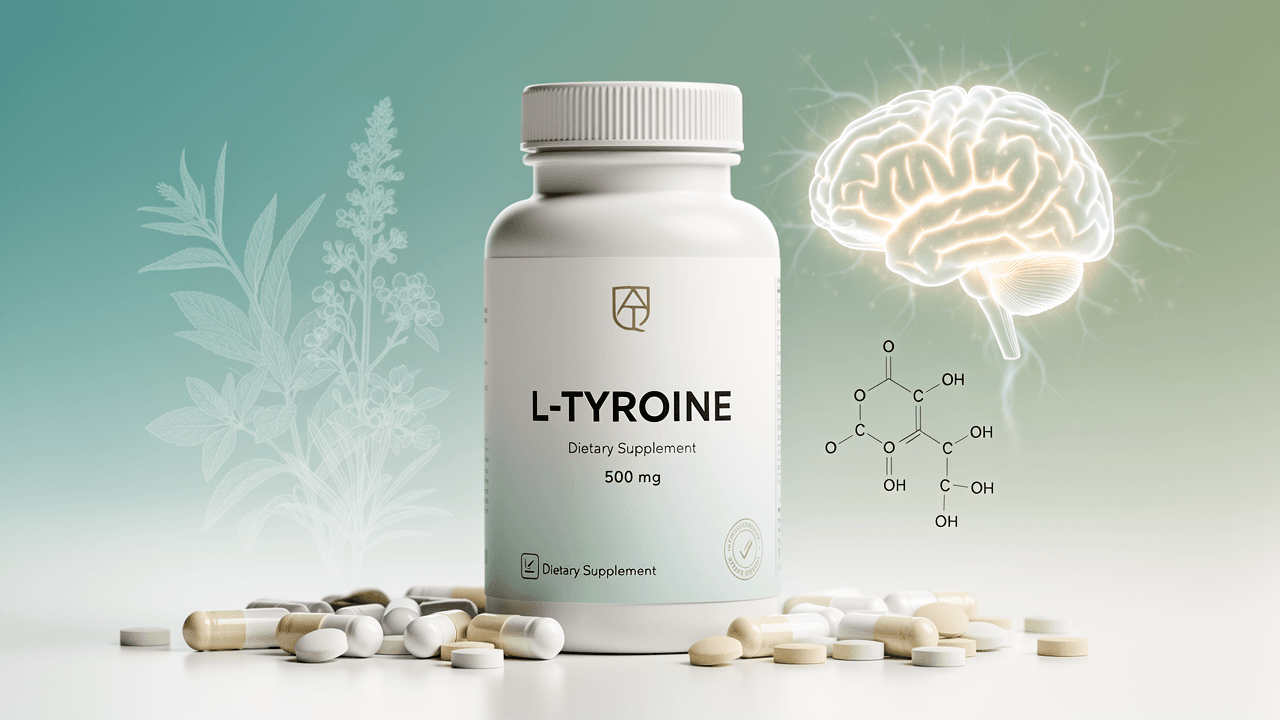
L‑tyrosine is a non‑essential amino acid, meaning the body can synthesize it (primarily from phenylalanine) and it is also obtained from dietary protein. It serves as a precursor to several key compounds:
- Catecholamine neurotransmitters: dopamine, norepinephrine (noradrenaline), and epinephrine (adrenaline)
- Thyroid hormones: thyroxine (T4) and triiodothyronine (T3)
- Melanin: the pigment in skin, hair, and eyes
Because of its role in neurotransmitter and hormone synthesis, L‑tyrosine is widely used as a nootropic and stress‑support supplement, particularly in situations involving acute stress, sleep deprivation, or high cognitive demand.
How L‑Tyrosine Works in the Body
Precursor to catecholamines
L‑tyrosine is converted via several enzymatic steps:- L‑tyrosine → L‑DOPA (by tyrosine hydroxylase – the rate‑limiting step)
- L‑DOPA → dopamine
- Dopamine → norepinephrine → epinephrine
Under normal, resting conditions, tyrosine hydroxylase is tightly regulated, so extra tyrosine does not dramatically boost dopamine for most people. However, under acute stress or intense neuronal firing, catecholamine use increases and the brain may become more responsive to additional substrate (tyrosine).
Stress and cognitive performance
During acute physical or psychological stress, catecholamines are released to support alertness, focus, and stress adaptation. Prolonged or intense stress can deplete these neurotransmitters in specific brain regions. Supplementing L‑tyrosine appears to help maintain catecholamine levels and thereby support cognitive performance under stress.Thyroid hormone synthesis
L‑tyrosine combines with iodine in the thyroid gland to form T3 and T4. While this is essential for normal thyroid function, in most people with adequate protein and iodine intake, extra L‑tyrosine does not dramatically change thyroid hormone levels.Blood–brain barrier transport
L‑tyrosine uses the large neutral amino acid transporter (LNAA) to cross the blood–brain barrier. It competes with other amino acids (like tryptophan, phenylalanine, and branched‑chain amino acids). Taking tyrosine on an empty stomach or away from high‑protein meals may enhance its brain uptake.
2. Key Benefits of L‑Tyrosine
1. Supports Cognitive Performance Under Acute Stress
The most consistent evidence for L‑tyrosine involves stressful or demanding conditions, such as:
- Sleep deprivation
- Cold exposure
- Prolonged cognitive tasks
- Military or high‑intensity training
Under these conditions, L‑tyrosine has been shown to help maintain:
- Working memory
- Attention and vigilance
- Cognitive flexibility (task switching)
2. Helps Maintain Alertness During Sleep Deprivation
L‑tyrosine appears to mitigate cognitive decline that occurs with lack of sleep. It does not replace sleep, but may help sustain performance for a limited time when sleep is restricted.
3. Potential Support for Mood and Stress Resilience (Context‑Dependent)
Because of its role in dopamine and norepinephrine synthesis, L‑tyrosine is sometimes used to support motivation, mood, and stress resilience. Evidence in healthy, non‑stressed individuals is mixed and less robust than in acute stress models, but some people report subjective improvements in:
- Motivation and drive
- Ability to handle stressful situations
- Mental energy
4. Possible Adjunct for Low Catecholamine States (Cautious Use)
In theory, individuals with conditions involving low catecholamine activity (e.g., some forms of fatigue, attention issues) might benefit. However, clinical evidence is limited, and tyrosine should not be used as a stand‑alone treatment for diagnosed psychiatric or neurological conditions without medical supervision.
3. Research Findings on L‑Tyrosine
Below are some of the better‑known human studies, focusing on acute cognitive performance and stress.
Cognitive Performance Under Stress and Cold
Study 1: Cold exposure and cognitive performance
- Design: Double‑blind, placebo‑controlled, crossover
- Participants: 10 healthy adults (mixed sex)
- Intervention: Single dose of 150 mg/kg L‑tyrosine vs placebo
- Condition: Participants exposed to cold and given cognitive tasks
- Findings: L‑tyrosine improved working memory and tracking performance under cold stress compared with placebo.
- Reference: Shurtleff et al., 1994 (U.S. Army research; small sample but influential in the field).
Military‑Style Stress and Performance
Study 2: Sustained military stress
- Design: Double‑blind, placebo‑controlled
- Participants: 21 cadets in a military combat training course
- Intervention: 2 g L‑tyrosine in a protein‑carbohydrate drink vs placebo
- Duration: Single‑day testing during a demanding training period
- Findings: Tyrosine improved aspects of cognitive performance (memory, tracking) and subjective mood under stress compared to placebo.
- Notes: Conducted during realistic high‑stress conditions; results support tyrosine’s role in stress resilience.
Sleep Deprivation and Vigilance
Study 3: Sleep deprivation in healthy adults
- Design: Double‑blind, placebo‑controlled
- Participants: 20–30 healthy adults (varies by report)
- Intervention: Single dose of 150 mg/kg L‑tyrosine
- Condition: Participants kept awake for 24 hours; cognitive tests administered
- Findings: L‑tyrosine improved vigilance and reaction time several hours after dosing compared with placebo, partially counteracting performance decline from sleep loss.
- Interpretation: Tyrosine may help sustain performance temporarily when sleep is restricted, but does not replace restorative sleep.
Working Memory and Cognitive Flexibility
Study 4: Cognitive control under stress
- Design: Double‑blind, placebo‑controlled, crossover
- Participants: 22 healthy adults
- Intervention: 2 g L‑tyrosine vs placebo, single dose
- Tasks: Working memory and cognitive flexibility tasks (e.g., N‑back, task switching) under cognitively demanding conditions
- Findings: Tyrosine improved working memory performance and cognitive flexibility compared to placebo, particularly in more demanding tasks.
- Notes: Suggests that when cognitive demand is high, tyrosine can support prefrontal cortex function.
Mood and Depression
Clinical evidence for mood disorders is limited and mixed:
- Early small studies explored tyrosine as an adjunct in depression but results have been inconsistent.
- A review of amino acid precursors for depression found insufficient evidence to recommend L‑tyrosine as a primary treatment.
Overall, current data support L‑tyrosine primarily as an acute performance aid under stress, rather than a general mood enhancer or antidepressant.
4. Best Sources & Dosage – Forms, Dosing, Timing, and Safety
Dietary Sources of Tyrosine
Most people obtain adequate tyrosine from protein‑rich foods:
- Meat, poultry, fish
- Eggs
- Dairy products (cheese, yogurt, milk)
- Soy products (tofu, tempeh)
- Legumes (beans, lentils)
- Nuts and seeds
A typical omnivorous diet provides 1–5 g/day of tyrosine from food, depending on total protein intake.
Supplemental Forms
Common supplement forms include:
- L‑Tyrosine (free form) – the standard form used in most research
- N‑Acetyl L‑Tyrosine (NALT) – a modified form claimed to have better solubility; however, conversion back to L‑tyrosine in humans may be limited, and evidence for superior efficacy is lacking
For nootropic purposes, standard L‑tyrosine is typically preferred because it matches the form used in most controlled trials.
Evidence‑Based Dosage Ranges
Important: Dosages used in research are often higher than typical supplement label doses. Start low and increase slowly if needed, under appropriate guidance.
1. Acute Stress, Cognitive Demand, or Cold Exposure
Research range: ~100–150 mg/kg body weight as a single or divided dose
- For a 70 kg person: 7,000–10,500 mg (7–10.5 g)
- These are high doses used in controlled settings (often military or lab studies).
Practical supplemental range:
- 1,000–2,000 mg (1–2 g) taken 30–60 minutes before a demanding task is common in nootropic practice.
- Some individuals use up to 3,000 mg (3 g), but higher doses increase the risk of side effects (e.g., nausea, headache) and should be approached cautiously.
2. Sleep Deprivation / Night Shifts
- Research‑style dosing:
- 100–150 mg/kg as a single dose has been used to mitigate performance decline from 24 hours of wakefulness.
- Practical approach:
- 1–2 g taken before or early in a night shift may help maintain alertness.
- Avoid taking high doses late in the shift if it will interfere with your ability to sleep afterwards.
3. General Nootropic or Mood Support
Evidence is weaker here, so conservative dosing is recommended:
- 500–1,000 mg (0.5–1 g) once or twice daily, typically away from high‑protein meals.
- Some users find benefit using it only on high‑demand days rather than daily.
4. Thyroid Support (Caution)
- Although tyrosine is a thyroid hormone precursor, using it intentionally for “thyroid support” should be done only under medical supervision, especially in people with known or suspected thyroid disease, due to the risk of over‑ or under‑correcting thyroid function.
Timing and Administration Tips
- Empty stomach or light carb meal: Taking L‑tyrosine away from high‑protein meals may improve brain uptake due to less competition from other amino acids.
- Pre‑task timing: 30–60 minutes before a cognitively demanding task, exam, or workout is common.
- Hydration: Higher doses (≥2 g) may cause mild gastrointestinal discomfort; taking with water and not on a very empty stomach can help.
Safety, Side Effects, and Drug Interactions
General Safety Profile
- L‑tyrosine is Generally Recognized as Safe (GRAS) as a food ingredient and is well‑tolerated in most healthy adults at typical supplement doses.
- Short‑term studies using up to 150 mg/kg (e.g., ~10 g for a 70 kg adult) as a single dose in controlled settings have not reported serious adverse events, but these doses are not recommended for routine use.
Common Side Effects (Usually Dose‑Dependent)
- Nausea or stomach upset
- Headache
- Heartburn or reflux
- Restlessness or jitteriness
- Insomnia (if taken too late in the day or at high doses)
Reducing the dose, taking it earlier in the day, or splitting the dose can mitigate many of these effects.
Potential Serious Concerns (Less Common but Important)
Hypertension and cardiovascular issues
Because L‑tyrosine can increase synthesis of norepinephrine and epinephrine under some conditions, there is a theoretical risk of raising blood pressure or heart rate, especially in:- People with uncontrolled hypertension
- Those with cardiovascular disease
- Those taking stimulant medications
Thyroid function
Tyrosine is a substrate for thyroid hormone production. In susceptible individuals, especially those with:- Hyperthyroidism (overactive thyroid)
- Graves’ disease
- Uncontrolled thyroid hormone therapy
L‑tyrosine could potentially worsen symptoms or complicate management, although direct clinical data are limited.
Mood and psychiatric conditions
In people with bipolar disorder, psychosis, or certain anxiety disorders, increasing catecholamine synthesis might theoretically exacerbate agitation, anxiety, or manic symptoms, particularly at higher doses or combined with stimulants.
Drug and Supplement Interactions
1. MAO Inhibitors (MAOIs)
- Examples: phenelzine, tranylcypromine, isocarboxazid, selegiline (higher doses), some older antidepressants.
- Mechanism: MAOIs inhibit breakdown of catecholamines. Adding extra precursor (tyrosine) may increase risk of hypertensive crisis or other adverse reactions, although the classic interaction is stronger with tyramine.
- Recommendation: Avoid L‑tyrosine supplementation if you are taking an MAOI unless your prescriber explicitly approves and monitors you.
2. Stimulant Medications
- Examples: amphetamine salts (Adderall), methylphenidate (Ritalin, Concerta), lisdexamfetamine (Vyvanse), modafinil/armodafinil (Provigil/Nuvigil, though mechanisms differ).
- Potential effect: Additive stimulation, increased heart rate or blood pressure, anxiety, or insomnia.
- Recommendation: Use cautiously, at low doses, and only with your clinician’s knowledge. Monitor blood pressure, heart rate, and mood closely.
3. Thyroid Medications
- Examples: levothyroxine (T4), liothyronine (T3), desiccated thyroid extract.
- Potential effect: Theoretical risk of excess thyroid activity if tyrosine intake is very high and iodine is abundant, though clinical data are sparse.
- Recommendation: People on thyroid replacement should consult their endocrinologist or primary care provider before using L‑tyrosine supplements.
4. Levodopa (L‑DOPA) for Parkinson’s Disease
- Tyrosine and L‑DOPA share transporters in the gut and at the blood–brain barrier.
- High doses of L‑tyrosine may interfere with L‑DOPA absorption or brain uptake, potentially reducing its effectiveness.
- Recommendation: Avoid tyrosine supplements or separate them widely from L‑DOPA dosing, under neurologist guidance.
5. Other Nootropics and Caffeine
- Combining L‑tyrosine with caffeine, other stimulants, or nootropics that increase catecholamines (e.g., some pre‑workouts) may amplify stimulation, anxiety, or insomnia.
- Start with lower doses when stacking and monitor your response.
Who Should and Shouldn’t Use L‑Tyrosine
Likely Good Candidates (With Appropriate Caution)
Healthy adults facing short‑term, high‑demand situations, such as:
- Exams or intense study sessions
- Extended work shifts or night duty (e.g., healthcare, emergency services)
- Military training or operations
- High‑intensity athletic or tactical events
Individuals who:
- Do not have uncontrolled hypertension or serious cardiovascular disease
- Are not on MAOIs or complex psychiatric regimens
- Are comfortable starting with low doses and monitoring effects
Those Who Should Use Only Under Medical Supervision
- People with hypertension, cardiovascular disease, or arrhythmias
- Individuals with thyroid disorders (hyper‑ or hypothyroidism) or on thyroid medications
- People with psychiatric conditions, particularly:
- Bipolar disorder
- Psychotic disorders
- Severe anxiety disorders
- Individuals taking stimulant medications (for ADHD, narcolepsy, etc.)
- People on levodopa or other Parkinson’s medications
Those Who Should Generally Avoid L‑Tyrosine Supplements
- People taking MAO inhibitor (MAOI) antidepressants, unless specifically cleared by their prescriber
- Individuals with phenylketonuria (PKU) who already manage high phenylalanine/tyrosine levels through diet (supplementation is typically unnecessary and potentially harmful)
- Pregnant or breastfeeding women, due to limited safety data at supplemental doses (normal dietary intake from food is fine)
- Children and adolescents, unless specifically recommended and supervised by a healthcare professional
Practical Summary
- Most robust benefit: Maintaining cognitive performance and alertness under acute stress (cold, prolonged tasks, sleep deprivation, high‑demand environments).
- Typical nootropic dose: 500–2,000 mg taken 30–60 minutes before demanding activities, away from high‑protein meals.
- Higher research doses (up to 150 mg/kg) have been used short‑term in controlled settings but are not recommended for routine self‑experimentation.
- Safety: Generally well‑tolerated in healthy adults at moderate doses, but caution is essential for those with cardiovascular, thyroid, or psychiatric conditions, and for anyone on interacting medications.
L‑tyrosine can be a useful, targeted tool rather than a daily necessity: best reserved for situations where acute cognitive support under stress is needed, and always used with attention to dosage, timing, and individual health status.