Understanding 5-HTP
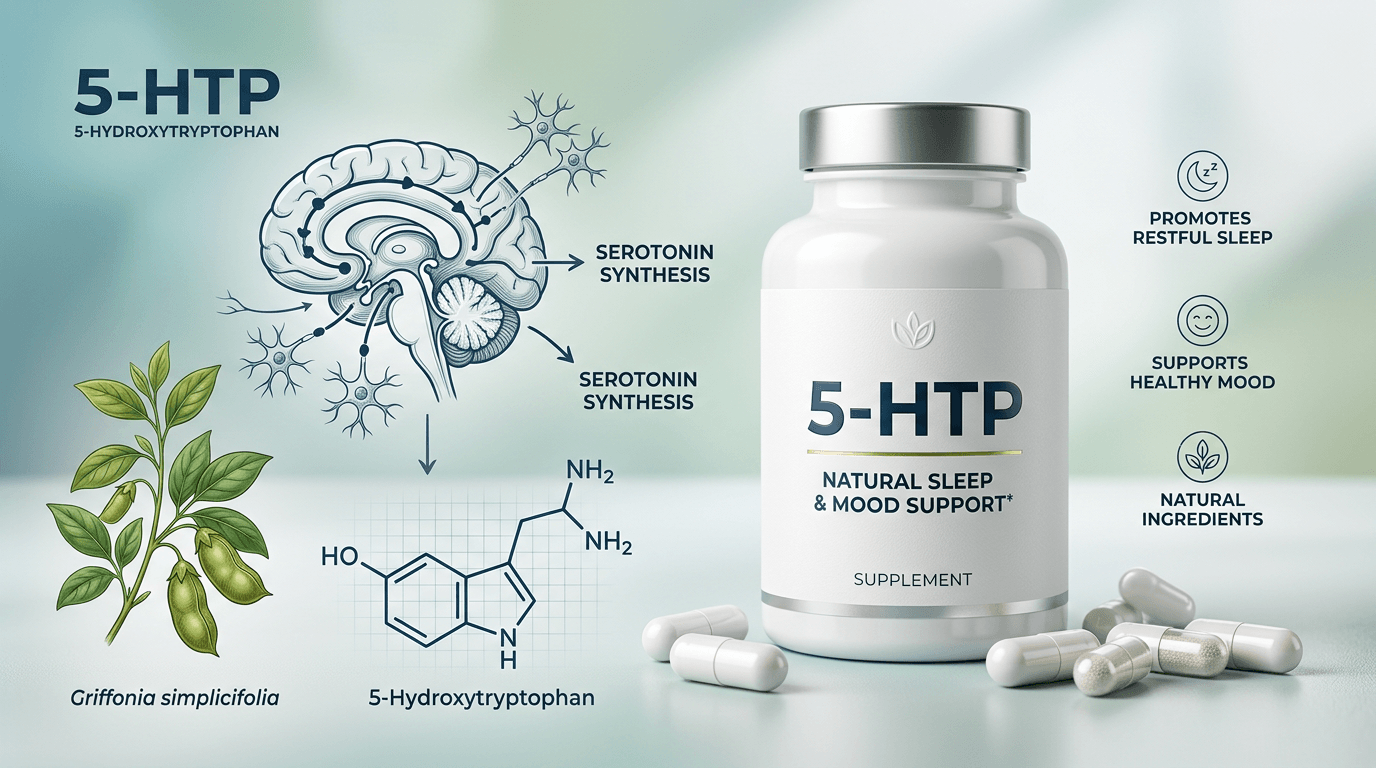
5-Hydroxytryptophan (5-HTP) is a naturally occurring amino acid and a direct chemical precursor to the neurotransmitter serotonin. In the human body, it is synthesized from the essential amino acid L-tryptophan. Unlike L-tryptophan, which must compete with other amino acids to cross the blood-brain barrier, 5-HTP passes through easily and is efficiently converted into serotonin in the central nervous system.
Because serotonin plays a fundamental role in regulating mood, sleep cycles, and appetite, 5-HTP has gained significant popularity as a dietary supplement and nootropic. Most commercial 5-HTP is not synthesized in a lab but is naturally extracted from the seeds of the Griffonia simplicifolia, an African climbing shrub.
Key Benefits
1. Mood Enhancement and Emotional Balance By directly elevating serotonin levels in the brain, 5-HTP is frequently used to support emotional well-being. Serotonin is often referred to as a "feel-good" neurotransmitter, and increasing its availability can help mitigate symptoms of low mood and stress.
2. Improved Sleep Quality Serotonin is a required building block for melatonin, the hormone responsible for regulating our circadian rhythm (sleep-wake cycle). Supplementing with 5-HTP, especially in the evening, can promote the natural production of melatonin, helping individuals fall asleep faster and achieve deeper, more restorative sleep.
3. Appetite Suppression and Weight Management Low serotonin levels are frequently linked to carbohydrate cravings and binge eating. 5-HTP can promote a feeling of fullness (satiety), which helps reduce overall caloric intake, particularly from refined sugars and carbohydrates.
4. Migraine Frequency Reduction Though the exact mechanism is still being studied, researchers believe that fluctuations in serotonin levels can trigger migraines. Maintaining stable serotonin levels via 5-HTP supplementation has been shown to reduce the frequency and severity of migraine attacks in some individuals.
Research Findings
The efficacy of 5-HTP is supported by various clinical trials, though researchers note that more large-scale, modern studies are needed to solidify these findings:
- Mood and Depression: A classic 6-week, double-blind study involving 63 patients compared the administration of 5-HTP (100 mg three times daily) with fluvoxamine (an SSRI). The results demonstrated that 5-HTP was equally as effective as the pharmaceutical in reducing depressive symptoms, with fewer reported gastrointestinal side effects.
- Appetite and Weight Loss: A 5-week double-blind, placebo-controlled trial followed 20 obese women who were advised not to change their diet. The group taking 300 mg of 5-HTP before meals experienced a significant decrease in carbohydrate intake and reported an average weight loss of 3.2 lbs, compared to a 0.5 lb weight loss in the placebo group.
- Sleep Latency: A 4-week study evaluating a combination of 5-HTP and GABA in 18 patients with sleep disorders found that the amino acid combination significantly reduced the time it took to fall asleep (sleep latency) and improved perceived sleep quality compared to a placebo.
Best Sources & Dosage
Forms and Sourcing
5-HTP is almost exclusively available as an oral capsule or tablet, extracted from Griffonia simplicifolia seeds. When selecting a supplement, look for products that are third-party tested to ensure purity and the absence of contaminants.
Practical Dosage Recommendations
Dosage varies significantly based on the intended use case. It is generally recommended to start at the lower end of the dosage range to assess tolerance and minimize gastrointestinal distress.
- For Mood and Anxiety: 50 mg to 100 mg taken 1 to 3 times daily. Taking it with meals can help reduce the risk of nausea.
- For Sleep Support: 100 mg to 300 mg taken 30 to 45 minutes before bedtime. Efficacy may be enhanced when combined with GABA or a low dose of melatonin.
- For Weight Management: 250 mg to 300 mg taken 30 minutes prior to a meal.
- For Migraines: 100 mg, 3 to 4 times daily. (Note: Benefits for migraines or fibromyalgia may take up to 30 days of consistent use to become noticeable).
Safety, Side Effects, and Interactions
While generally well-tolerated at standard dosages, 5-HTP is a potent compound that warrants careful use.
- Common Side Effects: The most frequently reported side effect is nausea, particularly when starting at higher doses. Other minor effects include heartburn, gas, and feelings of excessive fullness.
- Serotonin Syndrome (Critical Safety Warning): This is a severe, potentially life-threatening condition caused by excessive serotonin accumulation. Never combine 5-HTP with prescription antidepressants, including SSRIs (like Prozac or Zoloft), SNRIs, MAOIs, or tricyclics, without explicit medical supervision. Cough medicines containing dextromethorphan (DXM) and certain pain medications (like tramadol) can also trigger this dangerous interaction.
- Who Shouldn't Use It: Pregnant or nursing women should avoid 5-HTP due to a lack of safety data. Individuals with Down syndrome, those undergoing surgery within the next two weeks, and anyone with a history of severe gastrointestinal ulcers should consult a physician prior to use.