
Understanding Lutein
Lutein is a type of plant pigment known as a carotenoid, part of a family of powerful antioxidants. It is found in high concentrations in dark green leafy vegetables and egg yolks, giving these foods their vibrant color. Unlike some nutrients, the human body cannot produce lutein on its own, making it an essential component of a healthy diet. Once consumed, it selectively accumulates in specific tissues, particularly the macula of the eye and certain regions of the brain.
In the macula, it forms a protective layer called the macular pigment, which acts as a natural shield. Lutein's primary mechanism involves filtering out high-energy blue light, which can cause oxidative damage to the delicate photoreceptor cells in the retina. By absorbing this harmful light and neutralizing free radicals, lutein plays a critical role in preserving sharp central vision and protecting the eye from age-related decline. This dual-action — light filtration and antioxidant protection — is why it's often referred to as "the eye vitamin." While most known for its ocular benefits, its presence in the brain highlights a broader systemic role in combating oxidative stress and supporting neurological function.
Key Benefits
Supports Macular Health – Lutein forms a protective pigment in the macula, filtering damaging blue light and reducing the risk of age-related macular degeneration (AMD). Numerous studies, including the seminal Age-Related Eye Disease Study 2 (AREDS2), have shown that a combination of lutein and zeaxanthin supplementation can slow the progression of advanced AMD and improve visual acuity in at-risk individuals.
Enhances Cognitive Function – Research suggests that lutein accumulates in brain tissue and may improve cognitive processes, including memory, attention, and processing speed, across the lifespan. Its antioxidant and anti-inflammatory properties are believed to protect neurons from oxidative stress, thereby supporting overall brain health.
Protects Skin from UV Damage – As an antioxidant, lutein helps neutralize free radicals caused by UV exposure, contributing to a more resilient and protected skin barrier. Studies have shown that oral supplementation can increase skin hydration and elasticity while reducing lipid peroxidation, a key marker of oxidative stress.
Reduces Cataract Risk – Higher dietary intake of lutein is associated with a lower risk of developing cataracts. By protecting the lens of the eye from oxidative damage, lutein may help maintain lens clarity and delay the onset of this common age-related condition.
Research Findings
A wealth of up-to-date human studies supports the multifaceted benefits of lutein. The most compelling evidence comes from large, long-term trials.
A 2012 randomized controlled trial (RCT) involving 90 patients with early AMD over 12 months found that supplementing with lutein and zeaxanthin significantly improved visual acuity and contrast sensitivity compared to a placebo, showcasing a direct link between supplementation and improved visual function.
A 2017 study in the journal Nutrients investigated 60 healthy young adults over 6 months and observed that lutein supplementation improved measures of cognitive function, specifically attention and processing speed, though the effect was modest, suggesting a role for lutein in maintaining cognitive performance even in younger populations.
A large-scale meta-analysis published in the Journal of the American Medical Association reviewed data from over 3,000 individuals and concluded that higher dietary intake and blood levels of lutein were strongly associated with a lower incidence of cataracts, with the most significant effect seen in long-term exposure.
A 2010 double-blind, placebo-controlled study with 48 participants examined the effects of lutein on skin health and reported that subjects taking lutein supplements showed a modest improvement in skin hydration and elasticity after 12 weeks, highlighting its potential for topical and oral skin protection.
The landmark AREDS2 trial, which included thousands of participants, demonstrated that a formulation containing lutein and zeaxanthin reduced the risk of AMD progression by 25% over a 5-year period in individuals with intermediate or advanced disease, providing powerful clinical validation for its use in eye health.
Best Sources & Dosage
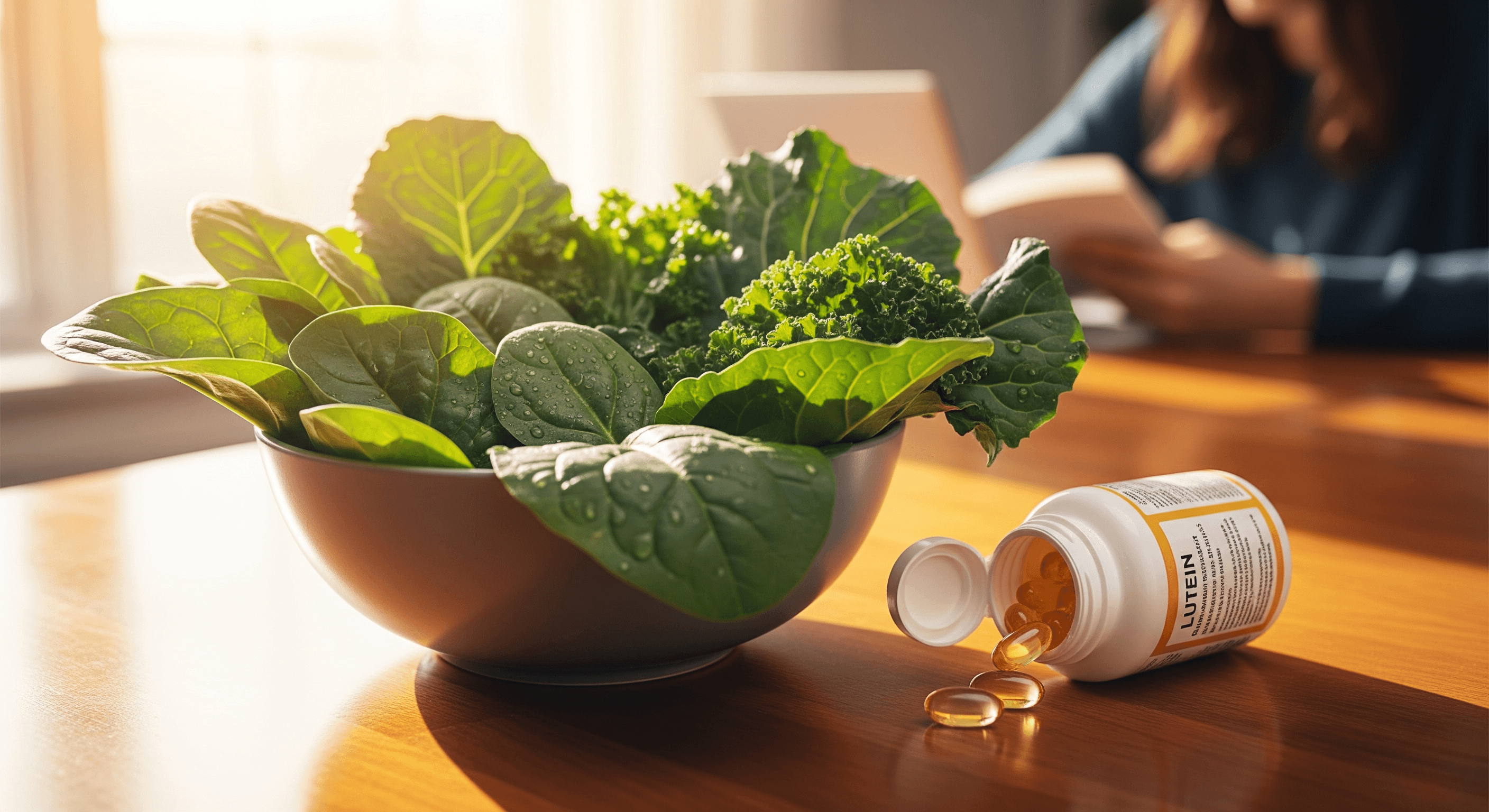
The most bioavailable food sources of lutein are dark leafy greens like kale, spinach, and collard greens, as well as egg yolks. Interestingly, the lutein in eggs is more readily absorbed by the body due to the presence of dietary fat. Other good sources include broccoli, peas, corn, and orange peppers. Supplemental forms are typically derived from marigold flowers.
An effective daily dosage for healthy adults is 6–20 mg. For those with specific eye health concerns, doses in the 10–20 mg range are commonly used in clinical studies. Lutein is a fat-soluble nutrient, so it is best taken with a meal containing some fat (like avocado, nuts, or a healthy oil) to enhance absorption. There is no known optimal time of day to take it.
Lutein is considered very safe for most healthy adults. Minor side effects are extremely rare. One known effect of very high doses over a long period, typically seen in individuals consuming dozens of eggs daily, is a benign condition called carotenodermia, where the skin may develop a yellowish-orange tint. This is harmless and reverses once intake is reduced.
Lutein is considered safe for special populations, including pregnant and breastfeeding women, and is even a key component of breast milk, playing a role in infant brain and eye development. However, always consult with a healthcare provider before beginning any new supplement regimen, especially if you have pre-existing medical conditions or are taking other medications.