
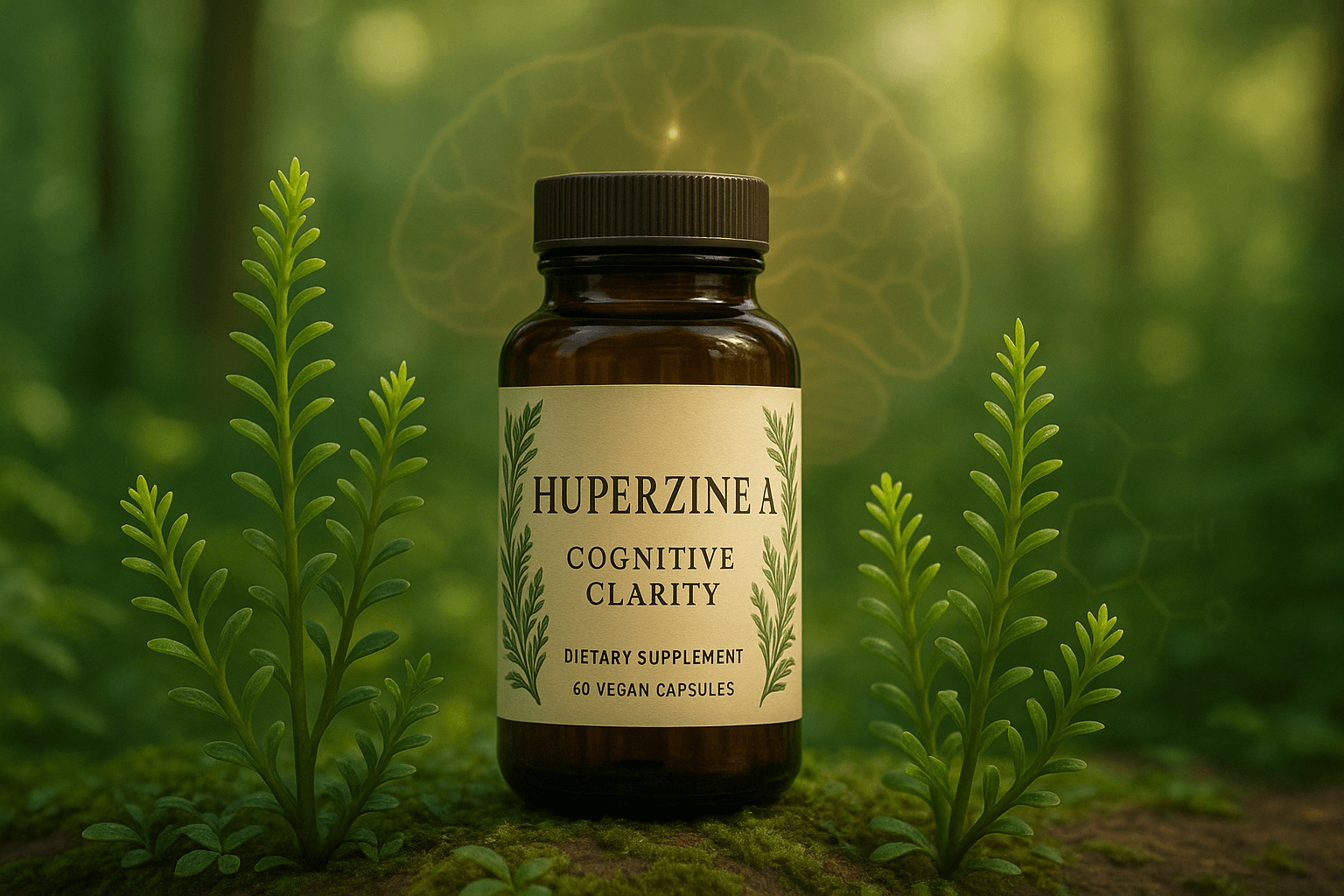
Understanding Huperzine A
Huperzine A is a naturally occurring alkaloid compound found in several species of club moss, most notably Huperzia serrata. This small, evergreen plant has been used in traditional Chinese medicine for centuries, primarily for ailments affecting the nervous system.
From a biochemical standpoint, huperzine A acts as a reversible inhibitor of acetylcholinesterase, the enzyme responsible for breaking down acetylcholine—a neurotransmitter essential for learning, memory, and other cognitive processes. By slowing the breakdown of acetylcholine, huperzine A can help maintain higher levels of this neurotransmitter in the brain. This mechanism is similar to that of certain prescription drugs used for Alzheimer’s disease, though huperzine A is available as a dietary supplement rather than a pharmaceutical.
In addition to its role in acetylcholine preservation, huperzine A has been shown in laboratory studies to influence NMDA receptors. These receptors are involved in neural communication and plasticity, and excessive activation can lead to excitotoxicity—damage caused by overstimulation of neurons. Huperzine A’s NMDA receptor antagonism may therefore add a layer of neuroprotection, particularly in conditions associated with oxidative stress and inflammation in the brain.
The body does not produce huperzine A on its own, and it is not found in the typical human diet in meaningful amounts. As a result, those seeking its potential cognitive benefits must obtain it through supplementation or herbal extracts.
Key Benefits
Memory Support – It modestly improve memory and everyday cognitive function by boosting acetylcholine levels.
Cognitive Enhancement – Potential to enhance attention and learning capacity in both healthy individuals and those with cognitive impairment.
Neuroprotection – Offers antioxidant, anti-inflammatory, and receptor-protective actions that support long-term brain health.
Research Findings
Human studies on huperzine A have largely focused on older adults with cognitive decline, though some trials have included healthy participants. While results are promising, the evidence is not yet conclusive and varies in quality.
In a 12-week randomized controlled trial (n=202) involving Alzheimer’s patients, 400 mcg/day of huperzine A improved cognition, mood, behavior, and activities of daily living compared to placebo.
A meta-analysis of eight trials (733 participants with Alzheimer’s disease and 92 with vascular dementia) reported improved memory and daily functioning, though the quality of evidence was judged to be low.
Short-term clinical trials—typically under six months—across over 2,000 patients suggest possible cognitive benefits, but variable study quality and bias limit firm conclusions.
Some small-scale trials in younger adults, including students, have reported enhanced learning and memory test performance after short-term supplementation. However, these effects have not been confirmed in large, long-term studies.
Best Sources & Dosage
Most Bioavailable Forms:
Extracts derived from Huperzia serrata, standardized to a known percentage of huperzine A.
Typically provided in capsules or tablets, often combined with other nootropic compounds in “brain health” formulas.
Typical Dosage Ranges for Healthy Adults:
50–200 mcg, taken once or twice daily.
Clinical trials for Alzheimer’s disease have used 200 mcg twice daily (400 mcg/day total).
Due to a relatively long half-life of 10–14 hours, many people find once-daily dosing sufficient, though splitting the dose may help maintain steadier levels.
Pharmacokinetics:
Absorption begins within 5–10 minutes after ingestion.
Peak blood concentration occurs around one hour.
Elimination generally occurs within 24 hours.
Timing & Administration:
Can be taken with or without food.
Some users take it in the morning to align with peak daytime cognitive demands.
Cycling (e.g., taking breaks every few weeks) is sometimes recommended to reduce the risk of tolerance or side effects.
Safety Considerations:
Avoid during pregnancy, breastfeeding, and in children for extended use due to lack of safety data.
Mild side effects may include nausea, vomiting, diarrhea, sweating, blurred vision, muscle twitching, dry mouth, and slurred speech.
Caution advised for individuals with heart rhythm disturbances, asthma, epilepsy, gastrointestinal obstructions, stomach ulcers, or urinary tract blockages.
Potential drug interactions: May amplify the effects of other acetylcholinesterase inhibitors (used in Alzheimer’s), interact with anticholinergic medications, or affect certain glaucoma treatments.
As with all supplements, consultation with a qualified healthcare provider is essential before starting huperzine A—especially if you are taking prescription medications or have chronic health conditions.